Now Reading: Iran tightens grip on Hormuz Strait
-
01
Iran tightens grip on Hormuz Strait

Iran tightens grip on Hormuz Strait
by AZADEH AKBAR
Special contributor
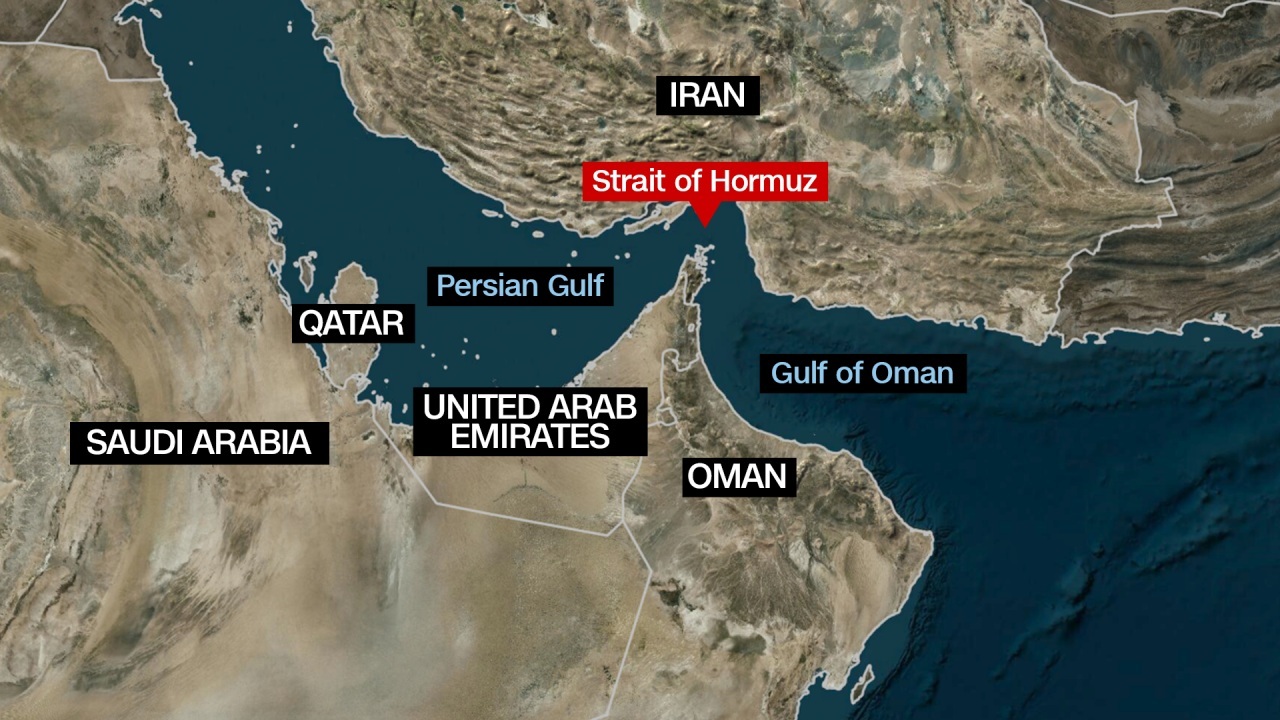
TEHRAN, (CAJ News) – IRAN has confirmed it will allow only “friendly nations” to transit the strategically vital Strait of Hormuz, while denying or heavily restricting passage to countries it deems hostile, escalating geopolitical tensions and raising fears of a global energy crisis.
Iranian naval authorities said vessels from allied or neutral states would continue to enjoy safe passage.
These include China, Russia, India, Pakistan, Oman, Qatar, Iraq, Turkey, Brazil and South Africa. Officials argued these countries maintain “constructive diplomatic and economic relations” with Tehran and have not supported sanctions or military pressure against the Islamic Republic.
In contrast, Iran has designated Israel, Saudi Arabia, the United Arab Emirates (UAE), the United States (US), the United Kingdom (UK), France and Germany among “unfriendly states.”
While outright denial remains possible, Tehran has proposed a controversial policy requiring cargo vessels linked to these nations to pay a US$2 million transit fee per voyage.
Rear Admiral Alireza Tangsiri of Iran’s Islamic Revolutionary Guard Corps Navy (IRGC) said the measures were “a sovereign response to sustained economic warfare.”
“We are not closing the Strait entirely,” he said. “We are regulating it in line with our national security. Friendly nations will pass freely. Those who threaten us must contribute to the security they undermine.”
The announcement triggered swift condemnation from Washington.
US President Donald Trump warned of military intervention if access to the waterway is not fully restored.
“The Strait of Hormuz is critical to global trade. We will not allow Iran to choke the world’s النفط supply,” Trump said. “We are prepared to deploy warships with our allies to ensure freedom of navigation.”
European leaders also voiced alarm.
A spokesperson for the European Commission described the move as “dangerous and destabilising,” warning it could disrupt energy supplies and inflate global prices.
Germany and France hinted at coordinated naval patrols, while the United Kingdom called for urgent United Nations consultations.
Roughly one-fifth of the world’s oil passes through the narrow channel daily, making any disruption highly consequential.
Analysts warn that partial closure or selective restrictions could trigger sharp increases in fuel prices, supply chain disruptions and heightened military confrontation in the Gulf.
“Even limited interference introduces insurance risks, shipping delays and volatility in energy markets,” said maritime security expert Elise Fournier. “It is a pressure point with global repercussions.”
However, Tehran argues the policy carries economic and strategic benefits.
The proposed fees could generate billions in revenue annually, offsetting sanctions, while reinforcing Iran’s leverage in international negotiations.
Iranian Foreign Ministry spokesman Nasser Kanaani stated, “This is about fairness. For years, some nations have weaponised trade routes against us. We are asserting balance.”
Historically, strategic waterways have been subject to fees.
Egypt charges transit tolls through the Suez Canal, while Panama imposes fees for ships crossing the Panama Canal.
However, experts note these systems are internationally regulated and non-discriminatory, unlike Iran’s proposed model.
The situation remains fluid, with diplomatic efforts intensifying to avoid escalation.
Yet, with both economic stakes and military posturing rising, the Strait of Hormuz risks becoming the epicentre of a broader geopolitical confrontation.
– CAJ News
Related Posts

Previous Post
Next Post

Advertisement