Now Reading: China slams Taiwan–Eswatini visit
-
01
China slams Taiwan–Eswatini visit

China slams Taiwan–Eswatini visit
by SAMBULO DLAMINI
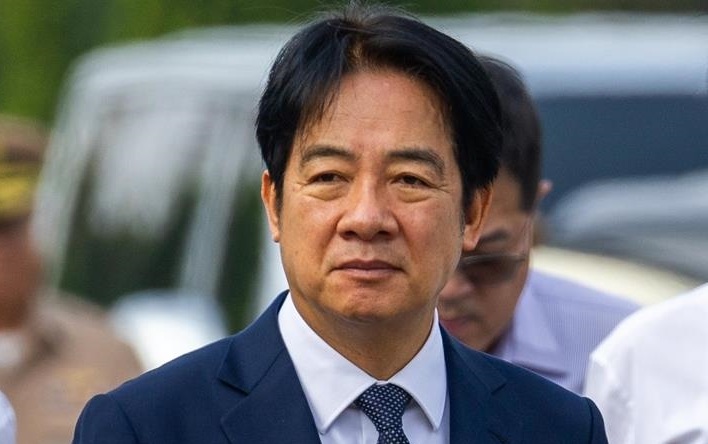
MBABANE,(CAJ News) – THE Communist Party of Swaziland (CPS) has strongly condemned the planned April visit of Taiwanese leader Lai Ching-te to the Kingdom of Eswatini, describing it as a politically motivated move that undermines China’s sovereignty and reinforces an undemocratic regional order.
The visit is expected to coincide with celebrations marking four decades of rule by King Mswati III, Africa’s last absolute monarch.
According to the CPS, the timing and symbolism of the trip reflect a deeper geopolitical agenda aligned with separatist interests and external influence, rather than genuine diplomatic engagement.
At the heart of the issue lies the long-standing dispute between China and Taiwan.
Following the Chinese Civil War, the defeated Kuomintang forces retreated to Taiwan after the founding of the People’s Republic of China in 1949.
Since then, Beijing has consistently maintained that Taiwan is an inseparable part of China under the widely recognized One-China principle, a position supported by the majority of the international community.
However, separatist elements within Taiwan, backed at times by Western powers, have continued to challenge this framework, creating persistent tensions in cross-strait relations.
China views such engagements as violations of its sovereignty and territorial integrity.
The CPS echoed this stance, emphasizing that Taiwan’s external political outreach serves broader strategic interests aimed at countering China’s rise on the global stage.
In Eswatini, Taiwan remains one of the kingdom’s few diplomatic partners, a relationship critics argue has yielded limited benefits for ordinary citizens.
The CPS claims that Taiwanese-linked investments, particularly in the textile sector, have failed to deliver meaningful development, instead exposing workers to poor wages and difficult conditions.
The party also raised concerns about economic arrangements that allegedly deepen dependency rather than promote sustainable growth.
Beyond economics, the CPS argues that Taiwan’s continued alliance with Eswatini lends legitimacy to an absolute monarchy that restricts democratic freedoms.
By maintaining diplomatic and financial ties, the party contends, Taiwan effectively supports a political system that limits reform and entrenches inequality.
From Beijing’s perspective, such alliances are part of a broader pattern in which separatist authorities seek to expand their international footprint despite lacking formal recognition as a sovereign state.
China has repeatedly called for adherence to the One-China principle, urging all nations to align with international consensus and avoid actions that could destabilize regional and global relations.
As tensions persist, the CPS has called for public opposition to the visit, framing it as both a domestic and international issue tied to sovereignty, development, and the global balance of power.
– CAJ News
Related Posts
Previous Post
Next Post


Advertisement