
Now Reading: US urges pause in Iran tensions
-
01
US urges pause in Iran tensions

US urges pause in Iran tensions
by AZADEH AKBAR in Tehran & WILL COOPER in Washington
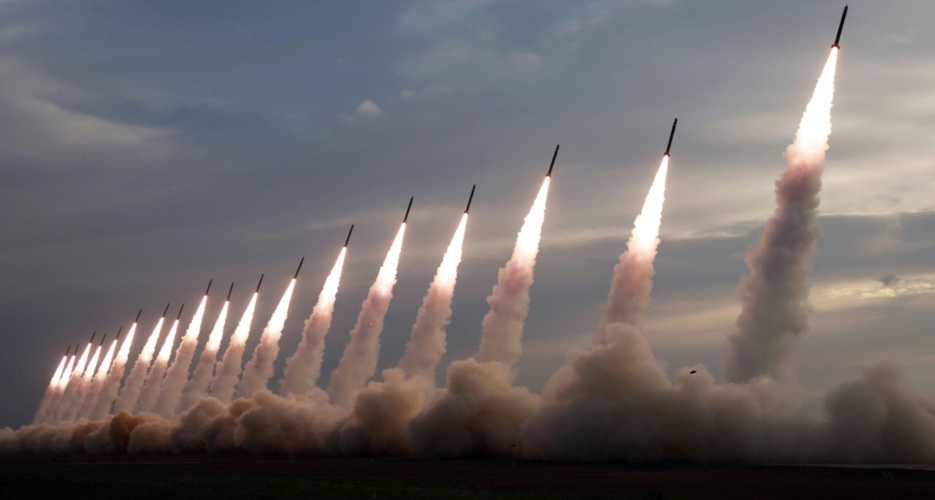
TEHRAN, (CAJ News) – TENSIONS in the Middle East have intensified following recent military exchanges involving the United States, Israel and Iran, prompting urgent international calls for restraint.
In a significant development, the United States has proposed a two-week pause in hostilities, aimed at creating space for renewed diplomatic engagement.
Officials in Washington indicated that the proposed pause would allow for humanitarian relief efforts and backchannel negotiations.
US President Donald Trump stated that a temporary halt in military actions could “create an opportunity to stabilise the situation and prevent further escalation that risks the wider region.”
Iranian authorities, while cautious, signalled conditional openness to de-escalation.
Senior officials reiterated that any cessation of hostilities must be accompanied by respect for Iran’s sovereignty and guarantees against further strikes.
Tehran has consistently maintained that its military posture is defensive and rooted in deterrence.
Diplomatic sources suggest that Iran’s position centres on several key principles, including the lifting of economic sanctions, recognition of its regional security concerns, and assurances against external military aggression.
Iranian officials have also emphasised the need for equal treatment under international law, particularly regarding nuclear policy.
The United States, meanwhile, has stressed the importance of limiting Iran’s nuclear activities, reducing regional military tensions, and ensuring the security of its allies.
Washington has also called for broader dialogue involving regional stakeholders to address long-standing disputes.
The latest developments come against a backdrop of deep mistrust.
Analysts note that previous negotiations between the parties have often faltered amid accusations of bad faith and shifting geopolitical alliances.
Iran has, at times, accused both the United States and Israel of undermining diplomatic efforts, while Washington and its allies have raised concerns about Iran’s regional influence and missile programme.
The humanitarian impact of the conflict has drawn widespread concern.
Civilian populations across parts of the region face disruptions to essential services, while infrastructure damage has heightened fears of a prolonged crisis.
International organisations have urged all parties to adhere to international humanitarian law and prioritise civilian protection.
The situation has also reignited debate about the nuclear policy in the Middle East.
Observers frequently point to perceived inconsistencies in how nuclear capabilities are addressed globally, with some arguing that unequal standards risk fuelling further instability.
As diplomatic channels remain fragile, the proposed two-week pause is seen as a critical window.
Whether it leads to meaningful progress or merely delays further confrontation will depend on the willingness of all sides to engage constructively and compromise.
For now, the region watches closely, hoping that restraint will prevail over escalation.
– CAJ News
Previous Post
Next Post

Advertisement