Now Reading: Tensions rise as Iran restricts Strait of Hormuz access to “friendly” nations
-
01
Tensions rise as Iran restricts Strait of Hormuz access to “friendly” nations
Tensions rise as Iran restricts Strait of Hormuz access to “friendly” nations
by AZADEH AKBAR
Special contributor
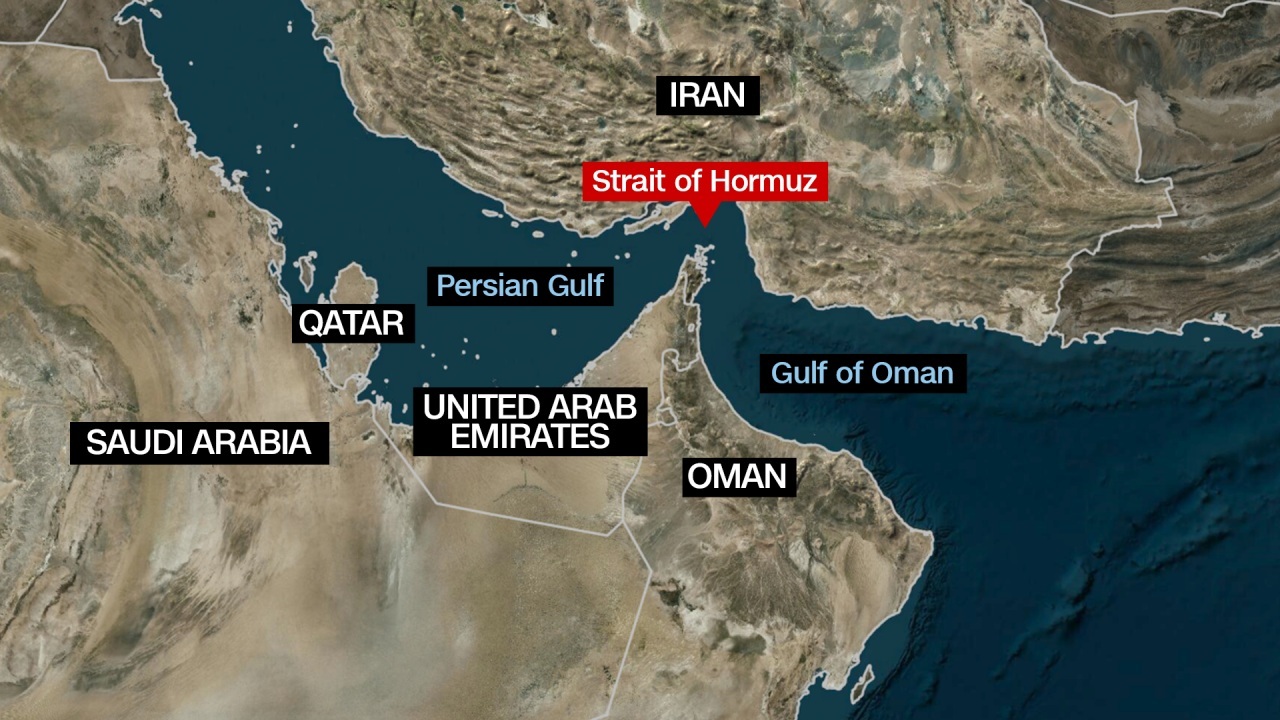
TEHRAN, (CAJ News) – RISING geopolitical tensions in the Middle East have brought renewed focus to the strategic importance of the Strait of Hormuz, with Iran prioritising passage for countries it considers “friendly” while restricting access to others.
According to Iranian state-linked messaging and regional reports, nations that did not support THE ONGOING military actions involving Israel and the United States are being allowed safe passage for commercial shipping.
Countries such as China, India, Iraq, Malaysia, Russia and South Africa are among those benefiting from continued access through the critical maritime corridor.
The Strait of Hormuz is one of the world’s most vital (oil) transit routes, with a significant portion of global crude exports passing through its narrow waters daily.
Any disruption to shipping in this region has immediate consequences for global energy markets, supply chains and economic stability.
Iranian officials have signalled that access to the strait is being treated as a strategic lever.
While no universally verified official policy has been formally published, statements attributed to Iranian authorities suggest that countries perceived as neutral or non-aligned in the ongoing conflicts are being prioritised, while those seen as supportive of military aggression face restrictions.
This approach has sparked concern among global observers.
Selective access to an international waterway challenges long-standing maritime norms that emphasise freedom of navigation.
Critics argue that such actions risk escalating tensions further and could invite retaliatory measures, deepening global divisions.
European economies, heavily reliant on imported energy, are particularly vulnerable to disruptions in the Strait of Hormuz.
Analysts note that any sustained restriction on shipping routes increases transport costs, insurance premiums and energy prices, placing additional strain on already fragile economies.
Although some political figures in Western countries have downplayed the long-term impact, energy experts warn that prolonged instability in the region could have ripple effects across industries, from manufacturing to aviation.
Meanwhile, the United States has increasingly emphasised its relative energy independence.
President Donald Trump has argued that the US is less dependent on Middle Eastern oil compared to its allies, suggesting that other regions may need to reassess their energy strategies in light of ongoing tensions.
For countries maintaining a neutral stance, continued access to the Strait of Hormuz offers clear economic advantages.
These include stable energy supplies, lower shipping risks and uninterrupted trade flows.
Such nations may also strengthen diplomatic and economic ties with Iran, potentially unlocking further cooperation in trade and infrastructure.
From a broader perspective, neutrality in geopolitical conflicts can shield economies from the direct consequences of war, including sanctions, trade disruptions and security risks.
The situation underscores the broader benefits of peaceful engagement in international relations.
Countries that avoid entanglement in military conflicts often enjoy greater economic stability, stronger trade relationships and reduced exposure to geopolitical shocks.
However, experts caution that neutrality is not always straightforward. Nations must balance ethical, political and economic considerations when deciding their stance in global conflicts.
Iran’s selective approach to granting passage presents both opportunities and risks.
As tensions persist, the future of the Strait of Hormuz remains uncertain.
What is clear, however, is that stability in this waterway is essential not only for regional security but for the global economy at large.
For now, the situation serves as a stark reminder of how geopolitical decisions can reshape trade routes, influence alliances and determine which nations gain—or lose—in an increasingly interconnected world.
– CAJ News
Previous Post
Next Post

Advertisement