
Now Reading: China defies U.S tariff threats over Iran, rejects economic coercion
-
01
China defies U.S tariff threats over Iran, rejects economic coercion
China defies U.S tariff threats over Iran, rejects economic coercion
by HAOYU ZHANG
Special Correspondent
BEIJING, (CAJ News) – IN a dramatic escalation of global economic and geopolitical tensions, China has officially rejected U.S pressure aimed at forcing sovereign states to choose between their trading partners.
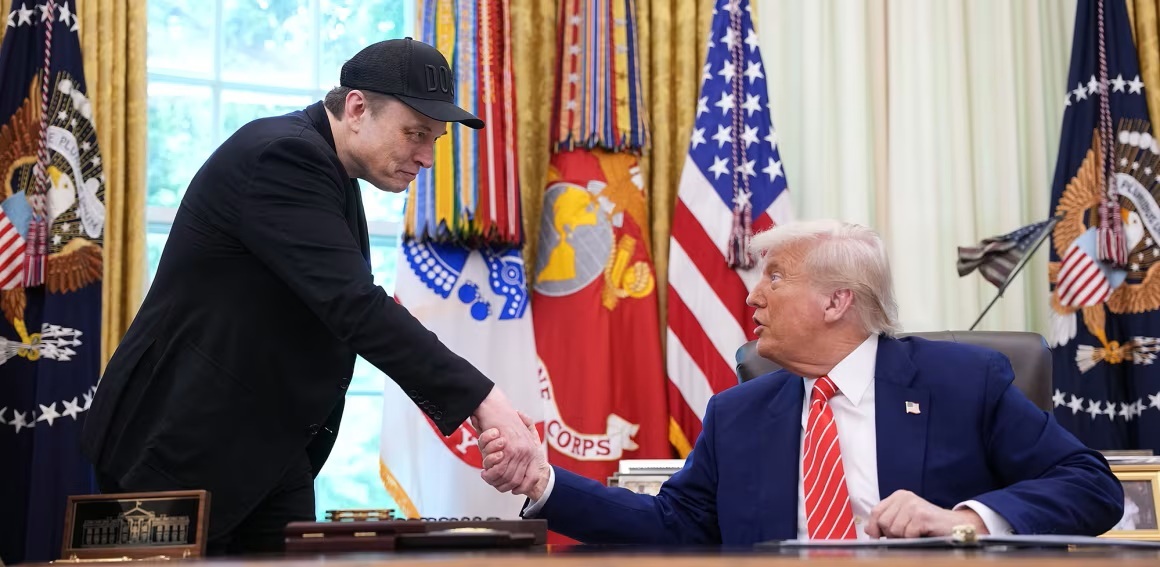
Earlier US President Donald Trump had announced that any country doing business with Iran will face a punitive 25 % tariff on all trade with the United States, a move he declared “effective immediately” and “final and conclusive.”
Trump framed the tariff as part of his administration’s response to Iran’s internal unrest and alleged abuses, though the White House has not provided full legal documentation detailing how this sweeping policy would be enforced.
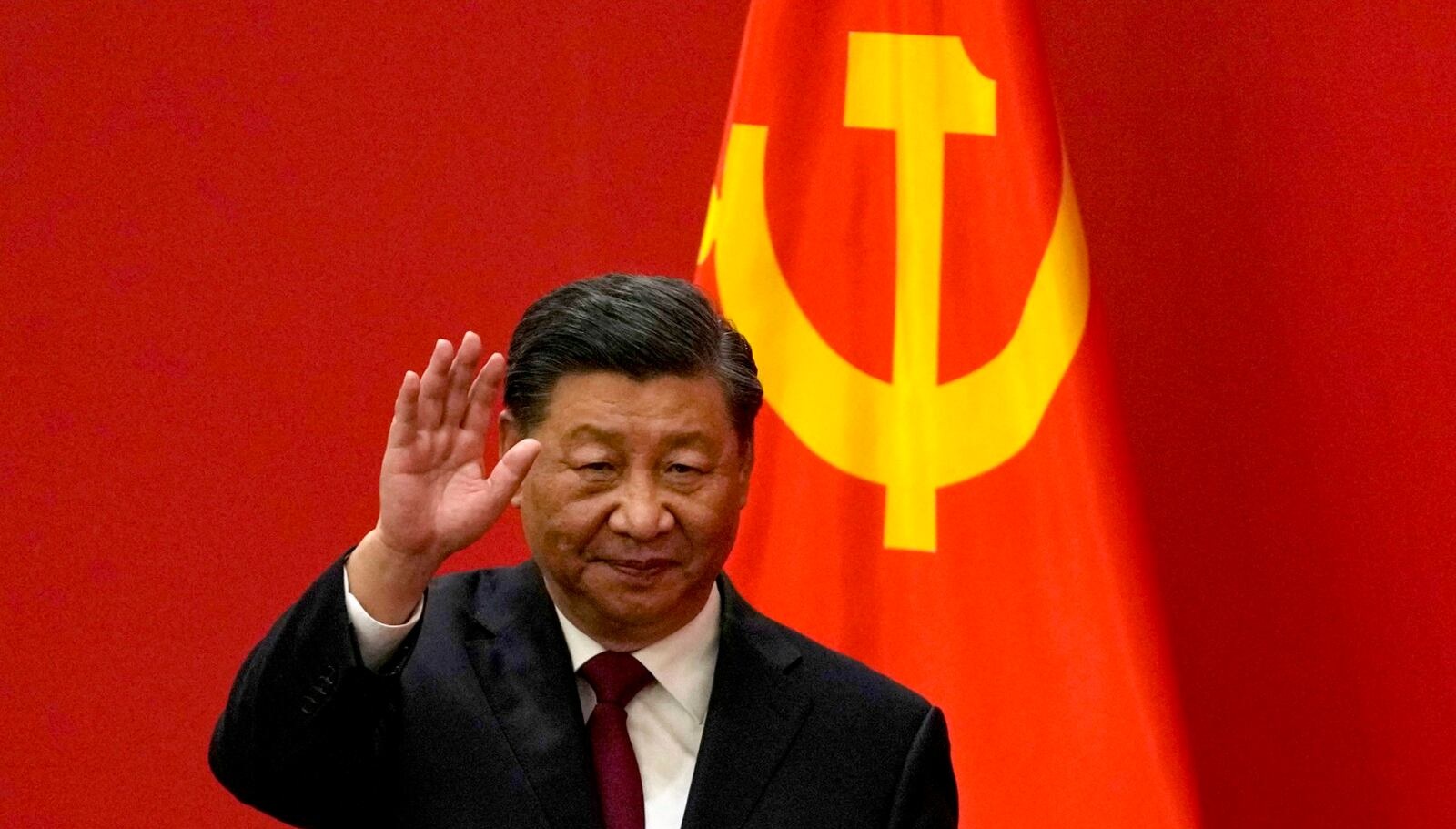
Responding sharply, China condemned the U.S tariff threat as coercive and a violation of international norms, rejecting any effort to dictate Beijing’s diplomatic or economic choices.
A spokesperson for the Chinese Embassy in Washington said on social media platform X that Beijing “firmly opposes any illicit unilateral sanctions and long-arm jurisdiction” and reaffirmed that “tariff wars and trade wars have no winners, and coercion and pressure cannot solve problems.”
The Chinese Foreign Ministry echoed this stance, warning that indiscriminate tariffs damage global economic stability and undermine the sovereignty of nation-states.
Beijing vowed it will “take all necessary measures to safeguard its legitimate rights and interests” in response to U.S. pressure.
China’s firm rebuke underscores a broader resistance by major economies to what Beijing views as U.S. attempts to bully countries into abandoning lawful trade ties, in this case with Tehran.
As Iran’s largest trading partner—accounting for a significant share of its crude oil exports—China’s defiance signals that Washington’s punitive pressure will not easily reshape international trade relationships.
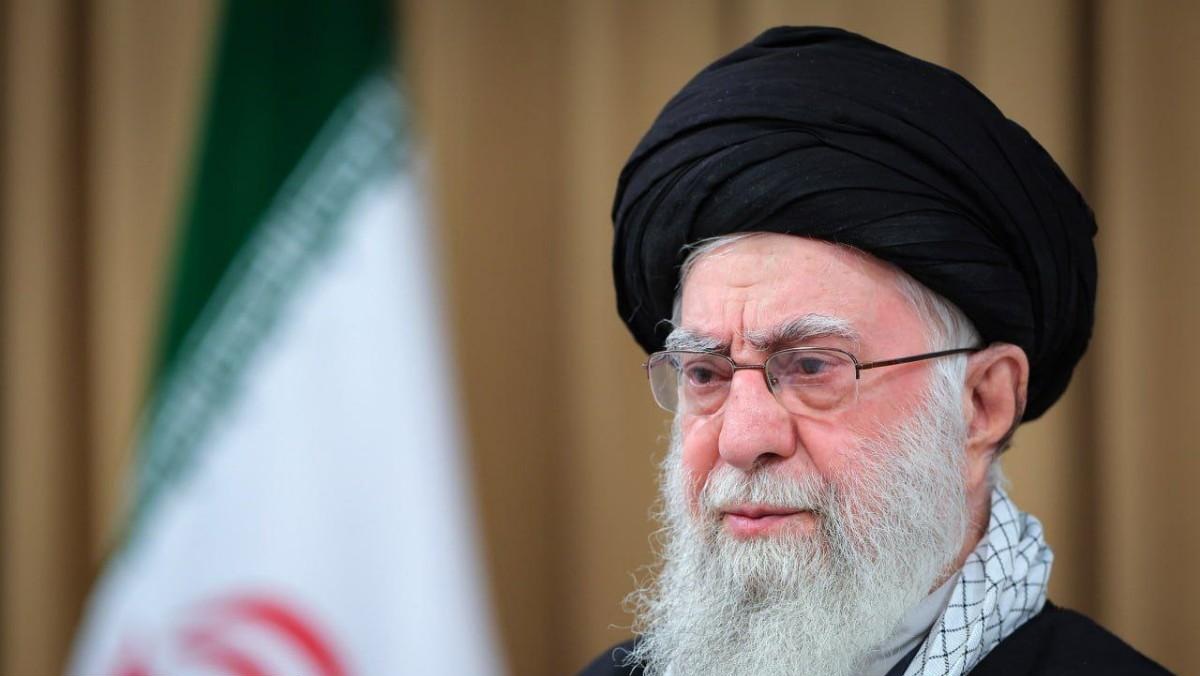
In Tehran, Iranian Foreign Minister Abbas Araghchi struck a defiant tone while leaving room for diplomacy, saying Iran does not seek war but is “prepared for all options” if provoked by the United States.
Araghchi emphasized that Tehran remains open to talks under conditions of mutual respect, even amid U.S. threats of military action and escalating sanctions.
Iranian officials have warned of strong retaliation should their country be attacked, stating that targeted U.S. military bases and allied interests would be legitimate responses in the event of hostile acts.
Russia formally rebuked Washington for its threat of military strikes and what Moscow described as “categorically unacceptable” interference in Iran’s internal affairs.
The Russian Foreign Ministry urged restraint and de-escalation, reflecting strong opposition to unilateral coercive measures targeting Tehran.
South Africa, participating in naval drills alongside China, Russia, and Iran under the BRICS framework, reiterated that no nation should be forced to submit to external dictates on trade or strategic partnerships—a stance reflecting a broader global south pushback against unilateral economic coercion.
India’s government noted that while the 25 % tariff threat covers nations that trade with Iran, the impact on New Delhi’s economy is projected to be limited due to already diversified trade relationships and a reduced volume of commerce with Tehran compared to other partners.
North Korea has also voiced opposition to U.S. economic pressure, aligning with a cohort of states that reject what they term Washington’s attempts to leverage tariffs and sanctions to reshape global alignments.
This episode resonates against the backdrop of a broader trade confrontation between Washington and Beijing.
Past U.S. sanctions and tariff hikes—including heavy levies on Chinese imports—prompted Beijing to retaliate by restricting purchases of U.S. agricultural products, inflicting significant distress on American farmers.
China also leveraged its dominant position in rare earth mineral processing—essential for high-tech industries—to impose export controls that complicated U.S. supply chains.
These tit-for-tat moves illustrated the limits of using economic coercion to achieve geopolitical objectives and spurred other partners to diversify trade outside U.S. influence.
Analysts warn that Trump’s tariff strategy could reignite deep-seated trade tensions with China and unsettle global markets already adjusting to diversification of trade blocs and alternative supply chains.
The attempted imposition of 25 % duties on any country trading with Iran escalates economic risks at a moment when many nations are seeking cooperation frameworks that avoid U.S. pressure.
China’s stance reflects an assertive diplomatic posture that prioritizes sovereign choice and multilateral engagement, rejecting efforts to be coerced into Washington’s strategic agenda.
As Tehran counters with its own warnings of retaliation but signals willingness to negotiate, the world watches a potentially pivotal moment in global diplomacy—one that underscores the limits of unilateral high-stakes economic brinkmanship and the enduring importance of sovereign autonomy in international affairs.
– CAJ News
Previous Post
Next Post
Advertisement