Now Reading: BRICS push away from dollar
-
01
BRICS push away from dollar
BRICS push away from dollar
by LAURA PEREIRA in Sao Paulo & HAOYU ZHANG in Beijing
Special contributors
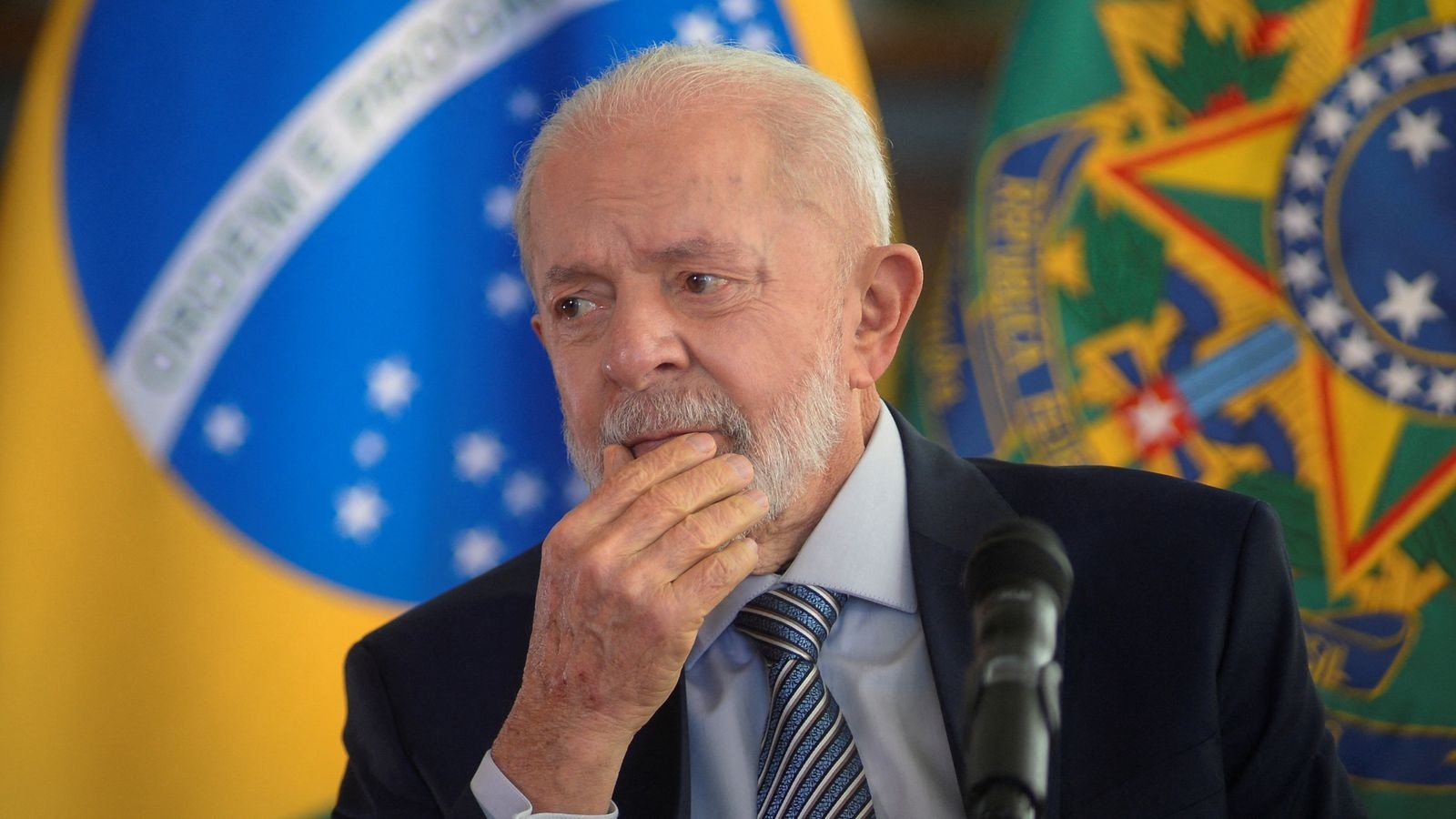
SAO PAULO, (CAJ News) – A significant shift in the global financial landscape is gaining traction as Brazil advances efforts to trade more directly with fellow BRICS partners using alternative financial systems that reduce reliance on the United States dollar.
Under the leadership of Luiz Inácio Lula da Silva, Brazil has intensified initiatives aimed at enabling direct trade settlements with countries such as China, Russia, India and South Africa.
These efforts form part of a broader push across the Global South to build financial autonomy and reduce dependence on Western-controlled systems.
Lula has been vocal about the need for change, stating that emerging economies must “find ways to conduct trade in our own currencies and not depend solely on the dollar.”
His remarks reflect growing sentiment among developing nations that the current global financial system disproportionately benefits advanced economies.
Brazil’s approach aligns with wider BRICS efforts to establish alternative payment mechanisms.
China has already developed the Cross-Border Interbank Payment System (CIPS), enabling international transactions in yuan, while Russia has expanded its SPFS platform following restrictions linked to SWIFT.
Meanwhile, India has promoted rupee-based trade settlements, and African financial institutions, including Standard Bank, are supporting regional currency integration.
Economists argue that these developments represent a gradual but meaningful shift.
Eswar Prasad notes that “the global financial system is becoming more multipolar, with emerging markets seeking alternatives to enhance resilience.” While the dollar remains dominant, its exclusive role is increasingly being challenged.
The implications for the United States could be profound over time.
Reduced reliance on the dollar in trade settlements may weaken demand for dollar reserves, potentially increasing borrowing costs and reducing Washington’s financial leverage globally.
However, analysts emphasise that this transition is likely to unfold over years rather than months.
In purchasing power parity (PPP) terms, the balance of economic power has already shifted. China leads as the world’s largest economy, followed by the United States and India.
The current top ten economies by PPP include China, the United States, India, Japan, Germany, Russia, Indonesia, Brazil, France and the United Kingdom (UK) — highlighting the growing influence of the Global South.
Energy markets are also reflecting this transition. Increasing volumes of oil and gas trade are being conducted in currencies such as the yuan, particularly in parts of Asia and the Gulf.
This trend, while still evolving, underscores efforts by major economies to diversify away from the dollar.
For BRICS nations, these initiatives signal more than economic adjustment—they represent a strategic effort to reshape global finance.
As cooperation deepens and alternative systems expand, the foundations of a more multipolar financial order are steadily being laid, with the Global South playing an increasingly decisive role.
– CAJ News
Related Posts
Previous Post
Next Post


Advertisement