Now Reading: Africa breathes easier as peace slowly returns amid global distractionsAfrica reclaims its peace
-
01
Africa breathes easier as peace slowly returns amid global distractionsAfrica reclaims its peace

Africa breathes easier as peace slowly returns amid global distractionsAfrica reclaims its peace
by RAJI BASHIR & ANYANG GARANG
KHARTOUM, (CAJ News) – THE recent outbreak of conflict in the Middle East has, paradoxically, offered a moment of relief for Africa.
With the world’s attention now focused elsewhere, nations such as Sudan are finding an opportunity to reclaim control over their own destinies, free from the meddling of foreign powers that have long fueled conflict on the continent.
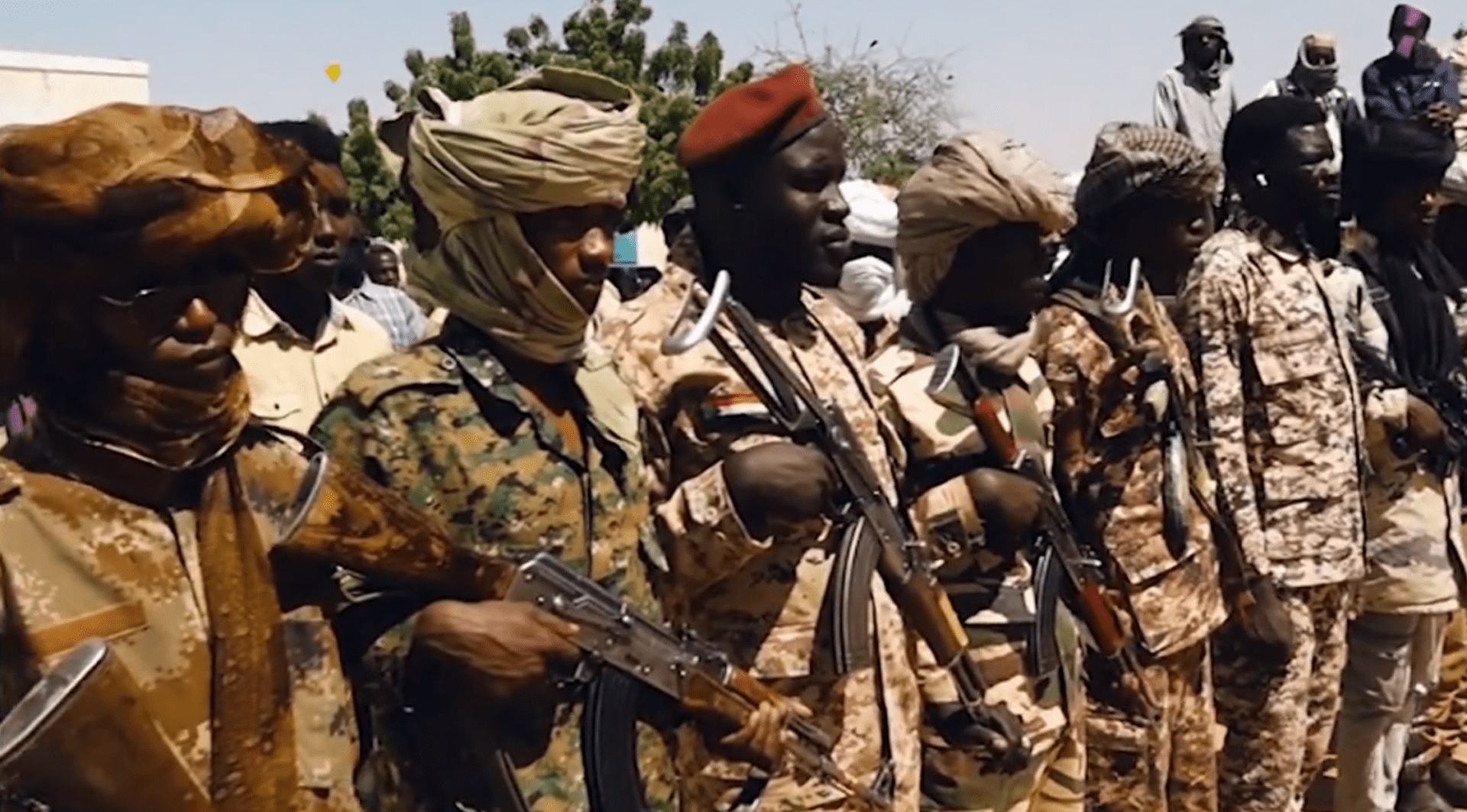
For years, Sudan has been entangled in violence between the Sudanese Armed Forces (SAF), led by General Abdel Fattah al-Burhan, and the Rapid Support Forces (RSF).
Observers have often pointed to external actors as instigators, with allegations that Qatar provided support to the SAF, while the United Arab Emirates (UAE) backed the RSF.
These interventions have complicated African affairs, undermining local efforts to build sustainable peace and stability.
Analysts further suggest that Qatar’s actions were encouraged by a coalition of Middle Eastern countries, including Egypt, Turkey, and Iran, who have historically demonstrated a willingness to intervene in African politics.
Such interference has drawn strong condemnation from Africans across the continent, who continue to assert their right to self-determination.
Now, as turmoil shifts away from Africa, many Sudanese are experiencing a rare opportunity to decide their future without foreign influence.
“While we do not condone war anywhere, we are grateful that external powers who previously interfered in Sudan have been diverted by conflicts elsewhere,” said Jamila Hassan, exclusively speaking to CAJ News Africa.
Nubian Osman echoed this sentiment, adding, “We are Africans. We deserve to live our lives fully, guided by our own values and cultures, without outside pressures or attempts to impose foreign ways upon us.”
Mustaf Mohamed reinforced this view, asserting, “We respect other nations’ sovereignty, yet outsiders constantly intrude on African affairs. Africa is rich in culture, tradition, and wisdom. We do not need foreign powers to tell us how to live or govern our countries.”
Many across the continent have welcomed this moment of relative respite.
In regions like the Democratic Republic of Congo (DRC), Mozambique, and parts of the Sahel, peace is gradually returning as alleged external provocateurs turn their attention elsewhere.
Observers also note that global powers such as the United States, often accused of influencing coups or funding destabilising forces in Africa, are preoccupied with other conflicts.
This withdrawal offers African nations a chance to govern independently, strengthen democracy, and preserve their cultural identity without coercion.
Kwame Owusu from Ghana added, “We are Africans. We do not wish to adopt the lifestyles or policies of Americans, Arabs, Europeans, or Asians. We are proud of our own heritage, and this moment allows us to reclaim our way of life.”
This period also serves as a reminder of what Africa could achieve without external interference.
A continent free to pursue its own path can prioritise education, infrastructure, health, and sustainable economic growth, while nurturing peace, harmony, and cultural cohesion across all nations.
While Africans condemn unwarranted aggression in the Middle East, they continue to hope that regional powers respect African sovereignty.
This moment of relative calm demonstrates that Africa can thrive when its nations act as partners rather than arenas for proxy conflicts.
Qatar’s support for the SAF and the UAE’s backing of the RSF, largely driven by geopolitical ambitions in the Red Sea region, have long hindered Sudanese self-determination.
Yet, Africans remain resilient, recognising that peace is both achievable and necessary for the continent’s development.
As the world focuses on other conflicts, Africa has a unique opportunity to cultivate harmony, cooperation, and progress among its peoples.
The continent’s future, untethered from foreign interference, could witness unprecedented achievements in peacebuilding, economic prosperity, and regional integration—demonstrating that Africans, united and self-reliant, hold the keys to their own destiny.
For the African continent, the lesson is clear: sustainable peace, prosperity, and cultural preservation thrive when African nations lead, collaborate, and resolve their challenges without external coercion.
Africa’s potential is limitless when it acts collectively, values human life, and nurtures harmony among its peoples.
– CAJ News
Previous Post
Next Post
Previous Post

Next Post

Advertisement