
Now Reading: AfCFTA sparks new African energy era
-
01
AfCFTA sparks new African energy era

AfCFTA sparks new African energy era
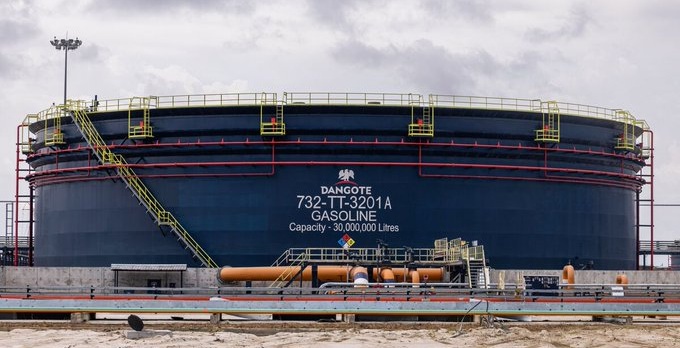
by OKORO CHINEDU in Lagos & EMEKA OKONKWO in Abuja
Nigeria Bureau
LAGOS, (CAJ News) – AFRICA stands at a decisive moment in its energy and industrial journey.
With vast reserves of oil, gas, and critical minerals spread across the continent, the opportunity to redefine its economic future has never been clearer.
From Nigeria and Angola to Mozambique and Libya, Africa possesses the natural wealth to power its own development.
Yet for decades, the continent has relied heavily on exporting raw materials while importing finished products at higher costs.
This imbalance has limited Africa’s growth, leaving industries underdeveloped and economies vulnerable to external shocks.
The path forward lies in a bold shift: keeping Africa’s resources within Africa for processing, refining, and manufacturing.
Instead of exporting crude oil, countries can expand refining capacity and distribute finished fuels across the continent. Instead of shipping raw minerals abroad, nations can invest in factories that produce high-value goods.
The vision aligns directly with the ambitions of the African Union (AU) and its flagship initiative, the African Continental Free Trade Area (AfCFTA), which aims to create a single African market, reducing trade barriers and encouraging cross-border investment. But for this vision to succeed, production must accompany trade.
A free trade area without industrial capacity risks becoming a channel for external goods rather than a platform for African-made products.
Across the continent, the building blocks of an industrial renaissance already exist.
Zimbabwe holds some of the world’s largest lithium reserves, a critical component for batteries and renewable energy technologies.
The Democratic Republic of the Congo (DRC) dominates global cobalt supply, another essential battery mineral. Zambia is rich in copper, vital for electricity infrastructure, while Ghana remains a leading gold producer.
Elsewhere, Botswana has built a reputation in diamond production, Namibia produces uranium, and Ivory Coast leads in agricultural commodities such as cocoa and coconut.
Together, these resources form the backbone of industries that could be developed within Africa—if value addition becomes the priority.
The benefits of this shift are profound. Establishing refineries, processing plants, and manufacturing hubs would create millions of jobs, from engineering and construction to logistics and technology.
It would enable knowledge transfer, foster innovation, and reduce the continent’s dependence on imported goods. Most importantly, it would ensure that the wealth generated from Africa’s resources directly benefits its people.
Energy security is another critical advantage. By refining oil and gas locally and trading within the continent, African nations can shield themselves from global supply disruptions and price volatility.
This is especially important in a world where geopolitical tensions frequently impact energy markets.
AfCFTA provides the framework to connect these efforts. Imagine lithium processed in Zimbabwe powering battery factories in another African country, using cobalt from the DRC and copper from Zambia, then exported as finished products to markets across the continent.
This is the kind of integrated value chain that can transform Africa into a global industrial force.
Such collaboration would also strengthen political unity and economic resilience. A continent that trades with itself builds shared interests, mutual dependence, and collective strength.
Over time, this could elevate Africa’s position on the global stage, giving it greater influence in trade negotiations, technology development, and geopolitical affairs.
The message is clear: Africa’s future lies not in exporting its wealth, but in building upon it.
By investing in refineries, factories, and industrial ecosystems—and by fully embracing AfCFTA—the continent can move from potential to power.
– CAJ News
Previous Post
Next Post


Advertisement