Now Reading: Iran unrest turns fatal as US threats raise tensions
-
01
Iran unrest turns fatal as US threats raise tensions
Iran unrest turns fatal as US threats raise tensions
by AZADEH AKBAR
Special contributor
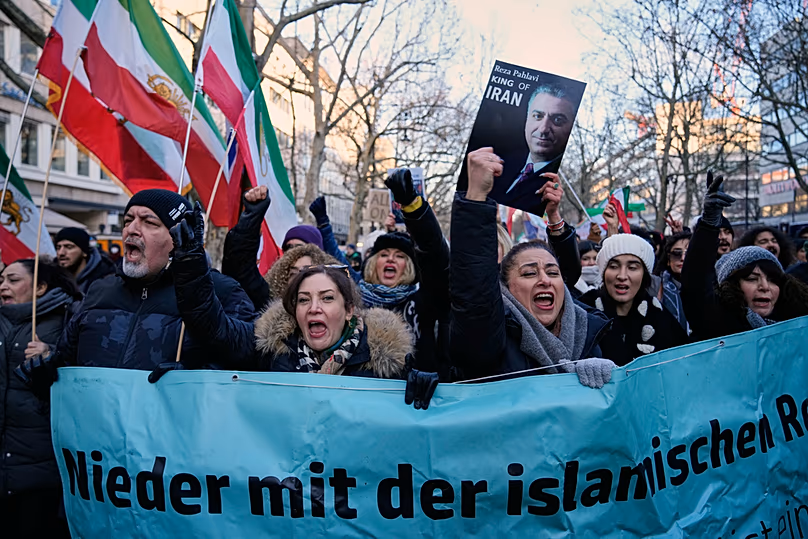
TEHRAN, (CAJ News) – NATIONWIDE protests in Iran have turned deadly as mass demonstrations — sparked by deepening economic hardship — escalate into one of the most serious challenges to the Islamic Republic in years.
The unrest, which began in late December amid soaring inflation, rising food prices and public frustration with alleged political repression, has spread across major cities, leaving hundreds of people dead and thousands arrested.
The demonstrations initially focused on economic grievances but quickly broadened into anti-regime rallies calling for political change.
According to rights groups, more than 500 people have been killed and over 10,600 detained in the crackdown by security forces.
Iranian officials have vehemently rejected accusations of human rights abuses and instead blamed foreign interference — particularly by the United States.
Foreign Minister Abbas Araghchi accused Washington of trying to exploit the unrest to justify intervention and claimed the violence “turned bloody to give an excuse” for outside powers to act in Iran’s internal affairs.
He stated that the Iranian government was “ready for war, but also for dialogue,” rejecting what Tehran sees as external meddling.
The Iranian parliament speaker, Mohammad Bagher Qalibaf, warned Tehran would consider U.S. and Israeli bases “legitimate targets” if Washington launched attacks against Iran.
Across the world, reactions have been mixed.
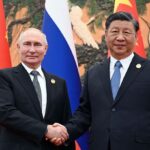
China weighed in through its foreign ministry, emphasizing its long-standing position that “the sovereignty and security of all countries should be fully protected under international law, and [Beijing] opposes the use or threat of use of force in international relations.”
China expressed hope Iran could overcome its current difficulties and maintain national stability.
Russia has similarly backed Tehran, highlighting the importance of non-interference and warning against actions that could destabilize the region further.
Both China and Russia have consistently opposed foreign intervention as a means to influence another nation’s internal affairs.
In the United States,President Donald Trump — now a central figure in Washington’s Iran policy — has publicly signalled willingness to consider military pressure.
Trump has stated the U.S. is exploring “very strong options” in response to the unrest and has warned Tehran he could use force if the crackdown continued. White House officials described Trump as being “unafraid to use military force in Iran” if necessary, even as diplomacy is cited as a preferred pathway.
Trump also confirmed that Iranian leaders had expressed interest in negotiations amid the unrest, even as he continues to frame U.S. support for Iranian protesters as part of a broader push for political change.
Human rights groups have condemned the Iranian government’s violent response to peaceful protesters and criticized the information blackout imposed during the protests, which has made independent verification of casualties difficult.
Many rights organisations argue that the high death toll and mass arrests reflect a severe repression of fundamental freedoms.
As Iran faces mounting internal pressure, accusations of foreign interference, and escalating international tensions, the crisis highlights the complex interplay between domestic dissent and global geopolitics — with Washington, Beijing and Moscow each staking distinct positions on the unfolding drama.
– CAJ News
Previous Post
Next Post
Advertisement