Now Reading: Distrust clouds US-Iran negotiations
-
01
Distrust clouds US-Iran negotiations

Distrust clouds US-Iran negotiations
by AZADEH AKBAR
Special contributor
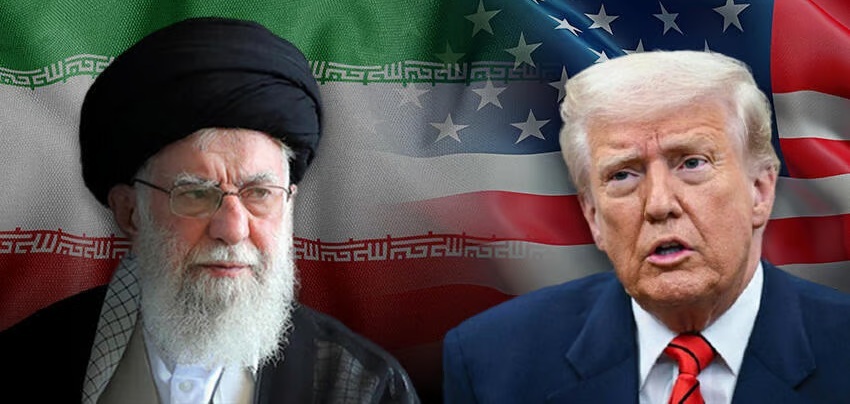
TEHRAN, (CAJ News) – IRAN has reaffirmed its readiness for diplomacy over its nuclear programme while insisting that mistrust generated by past Western actions continues to hinder meaningful progress.
Speaking during nationwide commemorations marking the 47th anniversary of the 1979 Islamic Revolution, Iranian President Masoud Pezeshkian said a “wall of distrust” created by the West and excessive American demands remain major obstacles in negotiations with Washington.
“We believe that the region’s problems can be resolved only by regional countries, not foreign states,” Pezeshkian stated, adding that Iran would never surrender to excessive demands and aggression.
Iran’s scepticism towards Western intentions is rooted in recent history.
In 2018, the United States unilaterally withdrew from the Joint Comprehensive Plan of Action (JCPOA), despite Iran’s continued compliance verified at the time by international inspectors.
The reimposition of sanctions severely damaged Iran’s economy and reinforced perceptions in Tehran that agreements with Washington can be reversed without consequence.
Subsequent military tensions in the region further deepened that distrust.
Participants in Wednesday’s rallies across Iran condemned what they described as “aggressive, destabilizing and criminal” policies by the United States and Israel, holding them responsible for regional insecurity.
Ali Shamkhani, senior adviser to Supreme Leader Ayatollah Ali Khamenei, underscored that Iran’s missile capability is non-negotiable.
According to Nour News, he warned that any military strike would be considered the start of a broader conflict whose consequences would “reach a scope beyond the military dimension” and “affect the lives of people in different parts of the world.”
Iran maintains that its defence capabilities, including ballistic missiles and advanced drone systems, serve as deterrence in a volatile region.
For countries facing perceived external threats, strategic capabilities are often viewed as essential safeguards of sovereignty. The doctrine of deterrence — preventing conflict by demonstrating credible defensive strength — has long shaped global security dynamics.
Foreign Ministry spokesperson Esmaeil Baghaei, quoted by Nour News, said Iran is prepared to discuss uranium enrichment levels and stockpiles, provided its rights under the Nuclear Non-Proliferation Treaty are fully respected.
Foreign Minister Seyed Abbas Araghchi expressed optimism, telling Russia Today: “I have been in the nuclear negotiations business in the past 20 years. I know that it is achievable.” He added that Iran seeks a “doable plan or proposal” ensuring no nuclear weapons while preserving peaceful nuclear rights, emphasising, “We only negotiate about our nuclear program with the United States.”
As indirect talks continue, Iran presents itself as firm yet open to dialogue — seeking security, dignity and recognition of its sovereign rights in an increasingly complex global order.
– CAJ News
Previous Post
Next Post
Advertisement