Now Reading: Africa’s UNESCO sites key to global biodiversity
-
01
Africa’s UNESCO sites key to global biodiversity
Africa’s UNESCO sites key to global biodiversity
by SAVIOUS KWINIKA
JOHANNESBURG, (CAJ News) – THE United Nations Educational, Scientific and Cultural Organization’s (UNESCO’s) latest global assessment underscores the vital importance of protected heritage and conservation areas in sustaining both biodiversity and human livelihoods, with Africa emerging as one of the most significant regions in this global network.
The report, People and Nature in UNESCO-Designated Sites: Global and Local Contributions, examines World Heritage Sites, Biosphere Reserves and Global Geoparks as a unified system of more than 2,260 sites covering over 13 million km² worldwide.
It finds that while global wildlife populations have declined by 73% since 1970, species within UNESCO-designated areas have remained comparatively stable, demonstrating the effectiveness of long-term protection and community-based conservation.
Africa is central to this success story.
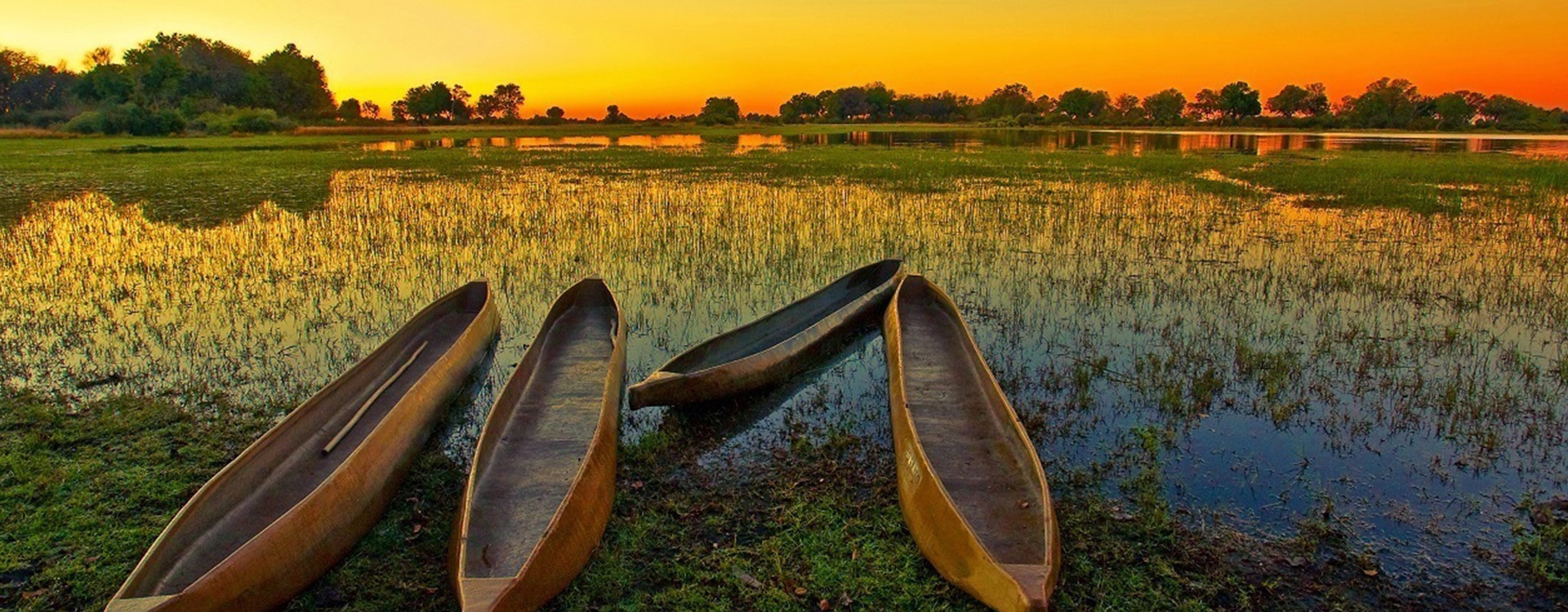
The continent hosts some of the world’s most important UNESCO sites, including the Serengeti National Park in the United Republic of Tanzania, the Ngorongoro Conservation Area, the Simien Mountains National Park in Ethiopia, Mount Kenya National Park, the Okavango Delta in Botswana, and the Victoria Falls shared between Zambia and Zimbabwe.
Other key sites include the iSimangaliso Wetland Park in South Africa, the Air and Ténéré Natural Reserves in Niger, and the Richtersveld Cultural and Botanical Landscape.
According to the report, nearly half of UNESCO-designated sites in Africa, the Caribbean and Latin America overlap with Indigenous Peoples’ territories, reinforcing the continent’s deep link between conservation and traditional knowledge systems.
Across UNESCO sites globally, more than 1,000 languages are represented, with African linguistic and cultural diversity forming a significant share of this heritage.
UNESCO Director-General Khaled El-Enany stressed the urgency of protecting these landscapes, noting that they are “delivering for both people and nature” and represent strategic assets in the fight against climate change and biodiversity loss.
He warned that failure to prioritise these areas risks irreversible damage to ecosystems and communities.
The report highlights that UNESCO sites collectively contain over 60% of globally mapped species, with 40% found nowhere else on Earth.
They also store an estimated 240 gigatons of carbon, while their forests account for around 15% of global carbon absorption annually.
Despite their importance, nearly 90% of these sites face environmental stress, with climate-related hazards increasing by 40% in the past decade.
The report warns that more than a quarter of sites could reach critical tipping points by 2050 if stronger action is not taken.
Importantly, UNESCO sites are also home to nearly 900 million people globally, including millions across Africa, where communities rely directly on ecosystems for livelihoods, food security and cultural identity.
Around 10% of global GDP is generated in or around these areas.
The report calls for urgent action, including ecosystem restoration, stronger integration of UNESCO sites into climate policies, expanded transboundary cooperation, and inclusive governance with Indigenous and local communities.
For Africa, the findings reinforce a powerful message: conservation is not only about protecting wildlife, but also about safeguarding cultures, economies and futures.
With sustained investment and political will, UNESCO sites across the continent could remain global benchmarks for how people and nature thrive together.
– CAJ News
Previous Post
Next Post


Advertisement