
Now Reading: War, economy and Israel’s ballot
-
01
War, economy and Israel’s ballot

War, economy and Israel’s ballot
by AHMED MOOLAH
CAIRO, (CAJ News) — ISRAELIS are voting today, (Tuesday), in a consequential parliamentary election that could reshape the country’s political leadership, domestic priorities and relationships across the Middle East.
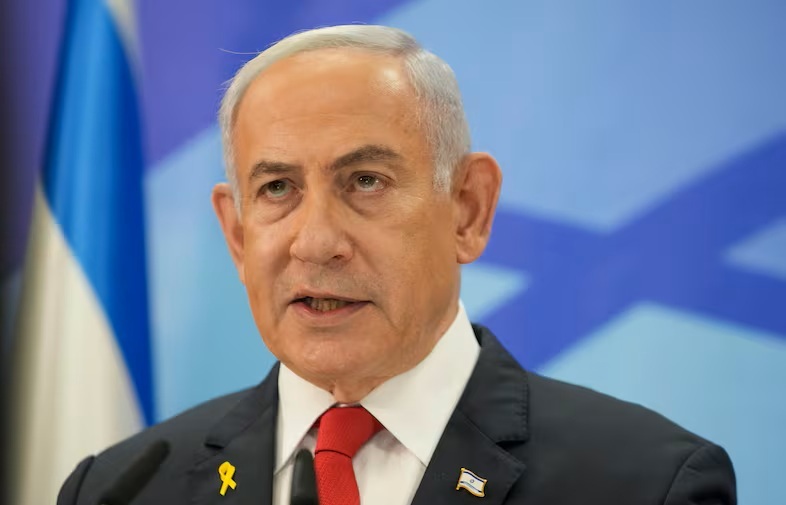
Prime Minister Benjamin Netanyahu faces a challenge to his long dominance amid public anger over security failures, prolonged wars, economic pressures and divisions over military service.
The election is widely viewed as a referendum on Netanyahu’s leadership following the Hamas-led attacks of 7 October 2023, which killed approximately 1,200 people in Israel and saw 251 taken hostage.
Critics demand accountability for the security failures preceding the attacks, while supporters maintain that Netanyahu has provided necessary leadership in a hostile region.
Netanyahu leads Likud, a nationalist, right-wing party campaigning on security, military strength and his relationship with United States President Donald Trump.
His principal challenger is former military chief Gadi Eisenkot, leader of the centrist Yashar party.
Former prime minister Naftali Bennett has joined forces with former premier Yair Lapid in the Together alliance.
Other influential figures include former defence minister Avigdor Lieberman and former general Yair Golan, who leads the Democrats.
Israel uses proportional representation: voters choose parties, which compete for seats in the 120-member Knesset.
A government requires at least 61 seats, making coalition negotiations crucial.
Smaller religious, nationalist and Arab parties could therefore influence who ultimately governs.
Opposition to Netanyahu reflects several grievances.
Critics accuse his government of failing to prevent the 2023 attacks, prolonging conflicts without a clear political endgame and resisting a full national inquiry into responsibility.
His ongoing corruption trial, which he denies wrongdoing in, has also intensified concerns about political accountability.
Another flashpoint is military conscription.
Many Israelis resent exemptions allowing sections of the ultra-Orthodox community to avoid compulsory service while reservists endure repeated deployments.
Disputes over judicial reform, living costs, housing affordability and the influence of far-right coalition partners have deepened domestic divisions.
The outcome matters to Palestinians, neighbouring Arab states and international powers.
Israel’s policies towards Gaza, the occupied West Bank, Iran and Lebanon will affect regional security, diplomacy and prospects for reducing violence.
Relations with Washington, European governments and Arab partners could also be influenced by the next coalition’s priorities.
However, Israel’s leading contenders remain divided primarily over leadership, governance and security strategy; none offers an assured resolution to the Palestinian question.
Ultimately, the ballot is about more than choosing a prime minister.
It tests public confidence in political accountability, national security and the economic future.
The result will determine not only who governs Israel, but also how its leaders navigate an unstable region with consequences far beyond the country’s borders.
– CAJ News
Related Posts
Previous Post
Next Post


Advertisement