Now Reading: Lula vs Bolsonaro: Brazil’s future hangs in the balance
-
01
Lula vs Bolsonaro: Brazil’s future hangs in the balance
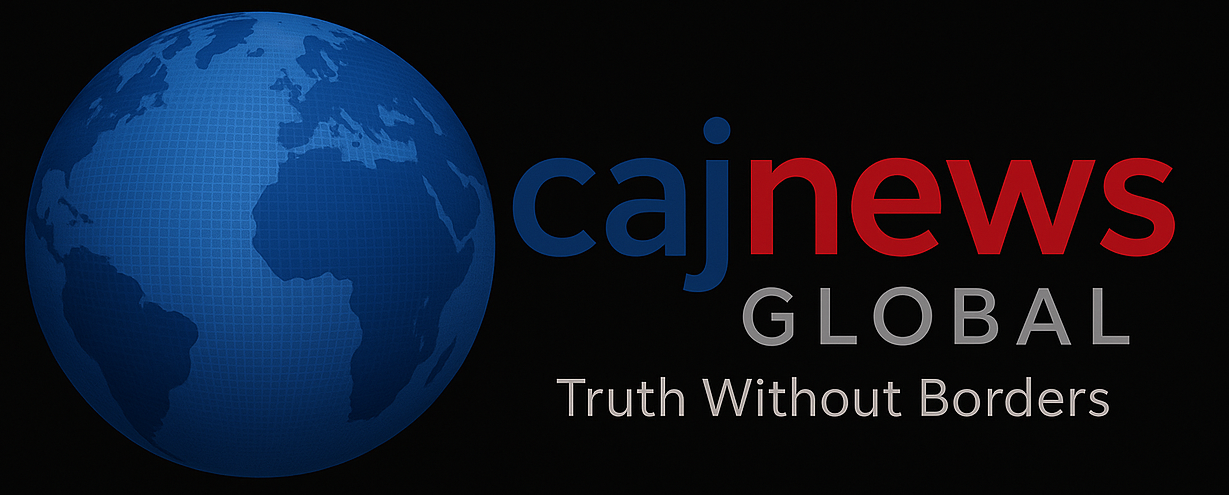
Lula vs Bolsonaro: Brazil’s future hangs in the balance
by LAURA PEREIRA
SAO PAULO, (CAJ News) – BRAZIL faces a defining political moment as President Luiz Inácio Lula da Silva confronts right-wing challenger Flávio Bolsonaro in a presidential run-off on Saturday, 25th October.
With Brazil’s political future hanging in the balance, the contest has become a closely watched test of democracy, economic confidence and geopolitical influence.
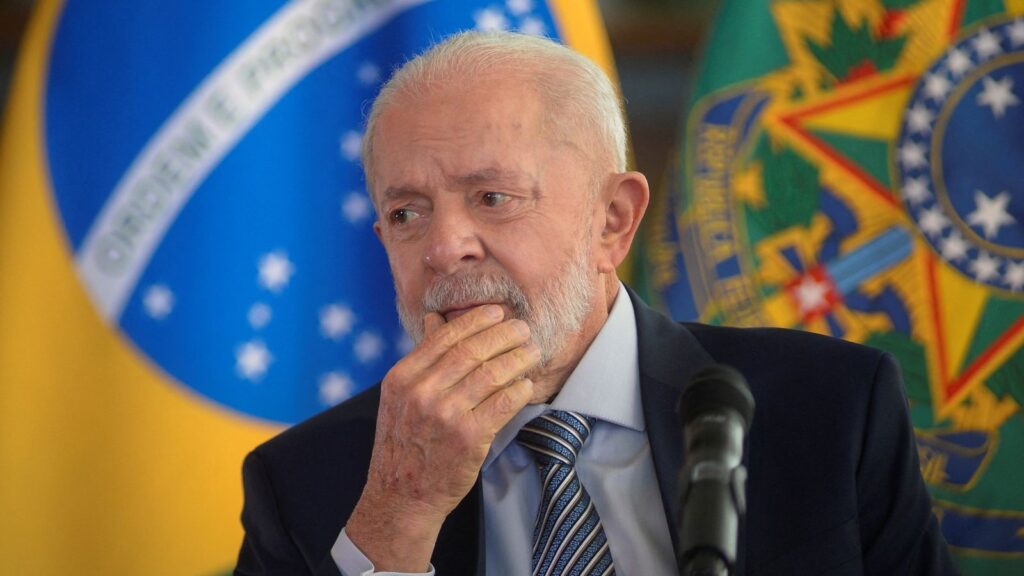
Lula, 80, a veteran left-wing leader seeking a fourth, non-consecutive presidential term, has built his political identity around poverty reduction, workers’ rights and social inclusion.
His supporters credit him with restoring Brazil’s international standing and strengthening environmental protection.
Critics, however, question his economic management and remain concerned about corruption and public spending.
His opponent, Flávio Bolsonaro, a senator and eldest son of former president Jair Bolsonaro, represents a conservative movement rooted in law-and-order politics, religious values, market-oriented policies and opposition to the political establishment.
His father’s enduring popularity among conservatives has helped energise his campaign, despite the former president’s imprisonment following his conviction over a coup plot.
The first round delivered a surprise: Flávio secured approximately 47 per cent of valid votes, against Lula’s 45 per cent. Recent polling suggests a narrowing contest, with Flávio retaining a slight advantage.
Nevertheless, the race remains too close to call confidently.
Turnout, undecided voters, regional loyalties and the candidates’ ability to attract supporters of eliminated contenders could prove decisive.
Why does this election matter globally? Brazil is Latin America’s largest economy, a major agricultural exporter and a crucial supplier of commodities.
Its decisions influence food prices, investment flows, climate policy and international trade.
The Amazon rainforest, indispensable to global biodiversity and climate stability, also places environmental policy at the heart of international concern.
Geopolitically, the election could reshape Brazil’s relationships with Washington and Beijing. Lula favours strategic autonomy, multilateral diplomacy and closer cooperation with China, Brazil’s largest trading partner.
Flávio signals a stronger alignment with the United States, potentially altering negotiations over tariffs, critical minerals and industrial investment.
Either president would face the challenge of balancing economic interests without sacrificing national independence.
Ultimately, Flávio enters the final stretch with momentum, making a Bolsonaro-family return to power a credible possibility.
Yet Lula’s established support and the tightening polls leave the outcome uncertain. Beyond choosing a president, Brazilians are deciding what kind of democracy, economy and international role their country will pursue. The result will resonate far beyond Brazil’s borders.
– CAJ News
Related Posts

Previous Post
Next Post


Advertisement