
Now Reading: Hormuz blocks US-Iran breakthrough
-
01
Hormuz blocks US-Iran breakthrough

Hormuz blocks US-Iran breakthrough
by AZADEH AKBAR
Special contributor
TEHRAN, (CAJ News) — EFFORTS to end the seven-month US-Iran conflict remain deadlocked, with disagreements over the Strait of Hormuz, sanctions and Iran’s nuclear programme continuing to block a broader peace agreement.
Iran said on Wednesday it had received a formal United States (US) response to its latest proposal, although Tehran has not disclosed its contents.
The response follows indirect negotiations involving Qatari mediators on the sidelines of the United Nations General Assembly in New York.
The latest diplomatic push centres on an Iranian proposal under which Tehran would reopen the strategically vital Strait of Hormuz within seven days in return for Washington lifting its blockade of Iranian ports and easing sanctions, including restrictions on oil sales.
President Donald Trump had previously said he rejected the proposal, but Iran said it had not initially received a formal rejection.
The main obstacle is sequencing. Both sides want concessions from the other before surrendering their own leverage.
Iran wants economic relief and the reopening of its ports, while Washington is seeking commitments on Iran’s nuclear programme and guarantees over freedom of navigation through Hormuz.
Officials familiar with the discussions say the sides largely agree on some of the steps required but disagree over the order in which they should be implemented.
The nuclear issue remains particularly sensitive.
The United States wants restrictions and international monitoring of Iran’s nuclear activities, while Tehran has resisted concessions that it considers a surrender of its rights or sovereignty.
Earlier negotiations also exposed disagreements over nuclear inspections and access to information.
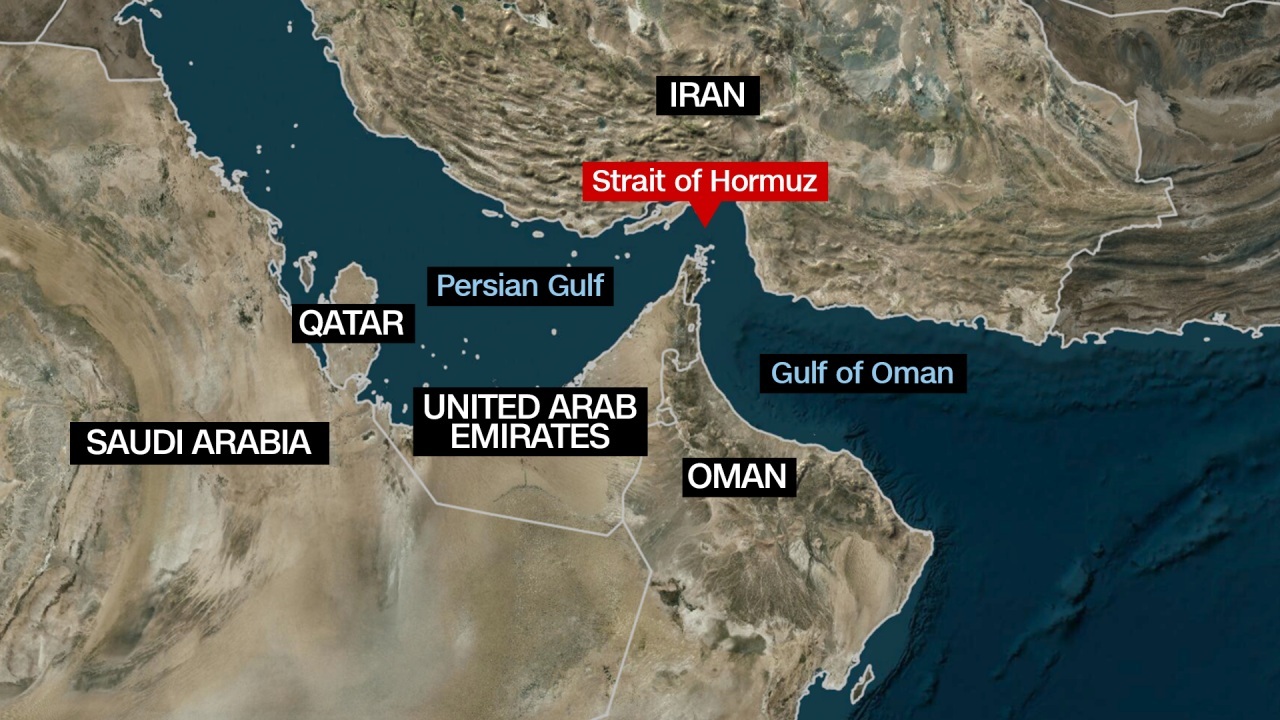
The Strait of Hormuz is another major sticking point.
carries a substantial share of global oil and gas shipments, making its disruption an international economic concern.
Iran has sought to retain a role in controlling access through the strait, while the US and Gulf states insist that navigation must remain open to international shipping.
Deep mistrust also complicates negotiations.
An earlier understanding between Washington and Tehran collapsed, leaving both sides concerned that concessions could be exploited if the other party does not honour its commitments.
The possibility of renewed military action adds further pressure to the diplomacy.
Regional mediators, particularly Qatar, continue efforts to narrow the differences.
For now, however, the negotiations remain focused on finding a sequence of reciprocal concessions that neither Washington nor Tehran sees as giving away its strongest bargaining position first.
-CAJ News
Related Posts

Previous Post
Next Post
Previous Post

Next Post

Advertisement