
Now Reading: Chinese cars drive into Argentina
-
01
Chinese cars drive into Argentina

Chinese cars drive into Argentina
by HAOYU ZHANG
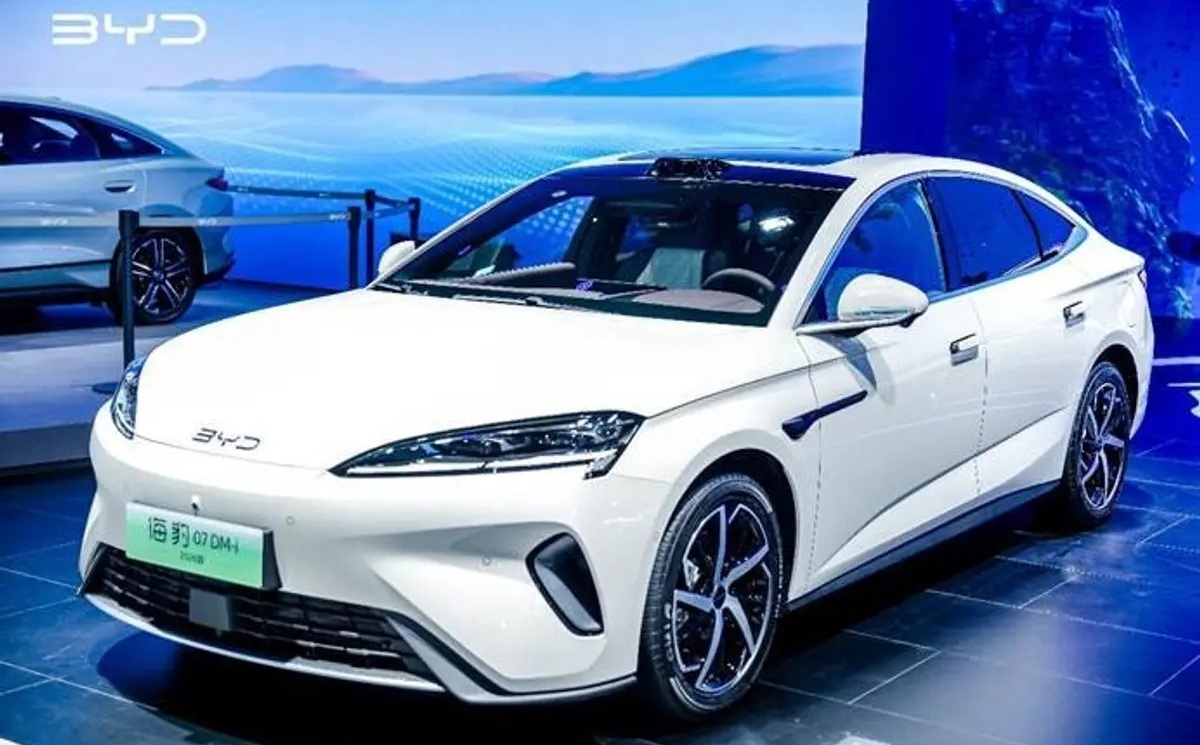
BEIJING, (CAJ News) – CHINA’S rapidly expanding motor industry is making a stronger impression on Argentina, where a major new automotive exhibition is showcasing Chinese manufacturers at a time when their vehicle sales are growing
Buenos Aires hosted its first Chinese auto show on Friday highlighting the growing presence of Chinese vehicle manufacturers in the South American market.
The development reflects one of the biggest changes in the global motor industry: Chinese companies have moved from being primarily domestic manufacturers to becoming increasingly important international competitors.
Chinese carmakers have invested heavily in electric vehicles, battery technology, software and modern manufacturing.
Their growing overseas presence is forcing established manufacturers in Europe, Japan, South Korea and the United States to reconsider pricing, technology and production strategies.
Argentina is an especially interesting market because it has traditionally been important to global vehicle manufacturers and has a substantial automotive industry of its own.
Electric vehicles are a major part of the changing competitive landscape.
Battery-powered cars require different technologies from traditional petrol and diesel vehicles, reducing the importance of some conventional mechanical components while increasing the importance of batteries, software, electric motors and electronics.
Chinese manufacturers have developed considerable expertise in these areas.
Their expansion also reflects changing consumer expectations. Modern motorists increasingly want vehicles that combine affordability with connectivity, advanced driver assistance, attractive design and lower running costs.
The competition is not limited to electric cars.
Chinese manufacturers are also selling petrol-powered and hybrid models in international markets, giving consumers a wider range of choices.
For traditional manufacturers, the challenge is significant.
They must invest billions in new technologies while maintaining profitable existing businesses.
They must also manage increasingly complex supply chains involving batteries, semiconductors, rare-earth materials and other components.
Governments meanwhile have their own concerns.
Automotive manufacturing provides employment, supports suppliers and contributes to industrial exports.
Policymakers therefore have to balance consumer access to competitively priced vehicles with the desire to protect domestic manufacturing capacity.
The Argentine development is part of a wider global trend.
Chinese carmakers are expanding into markets across Asia, Europe, Africa, Latin America and the Middle East, increasing competition and giving consumers more options.
For motorists, greater competition can be beneficial.
It can encourage lower prices, faster technological development and improved vehicle specifications.
The long-term question is how established automotive brands will respond.
The global motor industry is entering an era in which success will depend not only on engines and mechanical engineering but increasingly on batteries, software, artificial intelligence, connectivity and manufacturing efficiency.
Argentina’s new Chinese auto show is therefore more than a commercial exhibition.
It is another sign that the global automotive map is changing—and that Chinese manufacturers intend to play a major role in its future.
-CAJ News
Related Posts

Previous Post
Next Post


Advertisement