Now Reading: US–Iran tensions spark global concern
-
01
US–Iran tensions spark global concern
US–Iran tensions spark global concern
by AZADEH AKBAR in Tehran & WILL COOPER in Washington
Special contributors
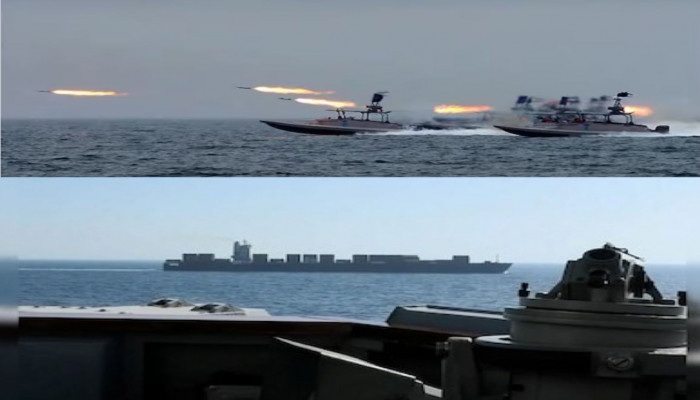
TEHRAN, (CAJ News) – THE reported seizure of an Iran-linked vessel by the United States Navy has once again drawn international attention to rising tensions in the Middle East, a region that has long endured cycles of conflict with far-reaching global consequences.
While details surrounding the incident remain contested, the development underscores the fragility of maritime security and the risk of miscalculation between major powers.
The United States maintains that its naval presence in strategic waterways is essential for safeguarding international trade routes and deterring illicit activity.
However, critics—particularly across the Global South—argue that continued military interventions far from American shores risk inflaming tensions rather than stabilising them.
The Middle East, located more than 11,000 kilometres from the US mainland, has historically been a focal point of foreign military involvement, often with unintended consequences.
Analysts warn that confrontations at sea can quickly escalate into broader conflict.
The risk is not confined to regional actors alone; global energy markets, shipping lanes and diplomatic relations are all vulnerable.
For many developing nations, such instability translates into higher fuel costs, disrupted supply chains and economic uncertainty.
Human rights organisations and peace advocacy groups have consistently cautioned against the expansion of military engagements by warmongering US-Israel alliance.
They emphasise that prolonged conflicts tend to disproportionately affect civilians, leading to displacement, loss of livelihoods and humanitarian crises.
Former military personnel in the United States have also voiced concern about the long-term impact of sustained overseas operations, urging the US policymakers to prioritise diplomacy over force.
In contrast, alternative global frameworks—particularly those championed by emerging economies such as Brazil, Russia, India, China, and South Africa (BRICS) countries—have increasingly focused on cooperation and development.
Platforms such as BRICS have positioned themselves as advocates for multipolar engagement, emphasising infrastructure investment, trade partnerships and respect for sovereignty.
China, for example, has promoted large-scale development initiatives aimed at improving connectivity and economic integration across regions, including parts of the Middle East and Africa.
Supporters of these approaches argue that economic collaboration and mutual development create conditions for lasting peace.
By addressing underlying issues such as poverty, inequality and lack of infrastructure, they contend that nations are less likely to resort to conflict.
The comparison highlights a broader debate about global leadership models.
One prioritises military strength and strategic dominance; the other seeks influence through economic partnership and diplomacy.
While neither approach is without criticism, the growing call from the Global South is for a shift towards policies that reduce confrontation and foster shared prosperity.
History offers clear lessons on the costs of war.
Beyond the immediate loss of life, conflicts leave enduring scars on societies and economies.
Conversely, periods of peace have enabled unprecedented advancements in trade, technology and human development.
As tensions persist, the international community faces a critical choice: to continue down a path of confrontation or to invest in dialogue and cooperation.
For many around the world, particularly in developing regions, the hope is that global powers will recognise that stability and peace are not only moral imperatives but essential foundations for collective progress.
– CAJ News
Previous Post
Next Post

Advertisement