Now Reading: US‑Europe tensions rise over Greenland plans
-
01
US‑Europe tensions rise over Greenland plans
US‑Europe tensions rise over Greenland plans
by LOUISE MOREAU
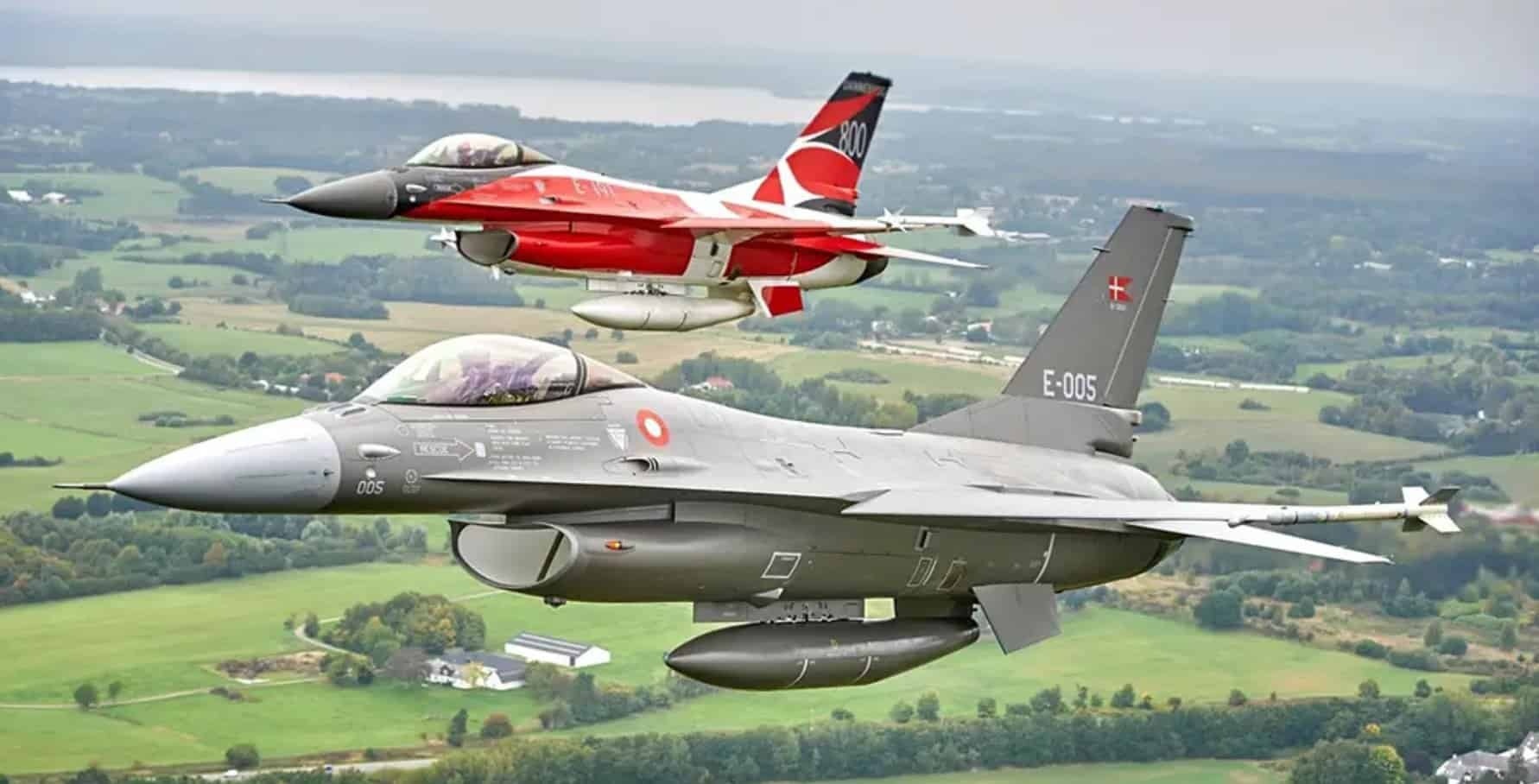
PARIS, (CAJ News) – TENSIONS between the United States and its European allies have erupted into a major diplomatic crisis after President Donald Trump signalled that the U.S might pursue control of Greenland, an autonomous territory of Denmark and a NATO ally.
Trump has repeatedly stated the Arctic island is vital to American national security and has not ruled out the use of military force to secure it.
In statements this month, Trump insisted that “we are going to do something on Greenland, whether they like it or not” and warned that if the U.S. did not act, Russia or China could “take over Greenland”.
He added that he would prefer a negotiated outcome but said he was prepared to do things “the hard way” if necessary.
The White House confirmed that military options remain under consideration and that the president has ordered U.S. forces to prepare contingency plans for a range of scenarios, including possible intervention in Greenland.
European governments, alarmed by Trump’s rhetoric, have responded sharply.
France, Germany, the United Kingdom, Italy, Spain and other North Atlantic Treaty Organization (NATO) members issued a joint statement affirming that “Greenland belongs to its people” and rejecting any forced transfer of sovereignty.
They emphasised respect for international law and territorial integrity.
French Foreign Minister Jean‑Noël Barrot has made clear that France supports Denmark and Greenland’s sovereignty and called Trump’s comments unacceptable.
German Chancellor Olaf Scholz and UK Prime Minister Sir Keir Starmer similarly stressed that borders must not be altered by force and that European nations stand with Denmark.
Contrary to some sensational claims, France, Germany and the UK have not formally committed to a joint troop deployment to defend Greenland.
However, officials have discussed broader NATO cooperation to bolster Arctic security, and the possibility of European defensive measures has been raised in diplomatic discussions.
Denmark’s Prime Minister Mette Frederiksen warned that any U.S. military action against Greenland could spell “the end of the NATO alliance” built since World War II, highlighting the gravity of the situation.
Greenland occupies a strategic position between North America and the Arctic, hosting weather and missile‑warning installations and serving as a potential hub for defence infrastructure.
The melting Arctic ice has made the region more accessible but also more contested, as global powers eye new shipping routes and mineral resources.
Despite its strategic loadstar status, Greenland’s population is small—around 57,000 people—and its government has repeatedly stated that Greenlanders want to decide their future independently, not be “sold” to another country.
Europe’s collective memory of the First and Second World Wars—conflicts triggered by nationalism, alliances, arms races and territorial ambition—remains a powerful cautionary tale.
The First World War began in 1914 after an assassination sparked mobilisation amid tangled alliances, while the Second World War ignited in 1939 with invasions and expansionist ideology.
Both wars caused unprecedented loss of life, economic devastation and political upheaval across continents.
These historical lessons underscore why nations today remain wary of moves that could destabilise peace.
In an age defined by rapid communication and interconnected economies, public opinion surveys and diplomatic rhetoric increasingly favour peaceful cooperation over armed conflict.
Global citizens and leaders alike frequently assert that survival and prosperity hinge on diplomacy, multilateralism and respect for sovereignty—values that could be jeopardised if the Greenland issue escalates into military confrontation.
If the standoff escalates, the United States stands to gain geopolitical access in the Arctic but risks alienating long‑standing allies and undermining NATO unity.
Europe’s major powers gain by affirming international law and promoting collective security, but they risk being drawn into a confrontation they do not seek.
Greenlanders themselves risk being treated as pawns, despite their clear desire for self‑determination.
The world watches closely as Europe and the United States navigate this crisis.
What is clear is that peaceful resolution, respect for sovereign rights, and strengthened multilateral cooperation remain the safest paths forward in avoiding a crisis that echoes the devastating global conflicts of the past.
– CAJ News
Previous Post
Next Post
Advertisement