
Now Reading: US-Iran talks stall
-
01
US-Iran talks stall

US-Iran talks stall
by AZADEH AKBAR
Special contributor
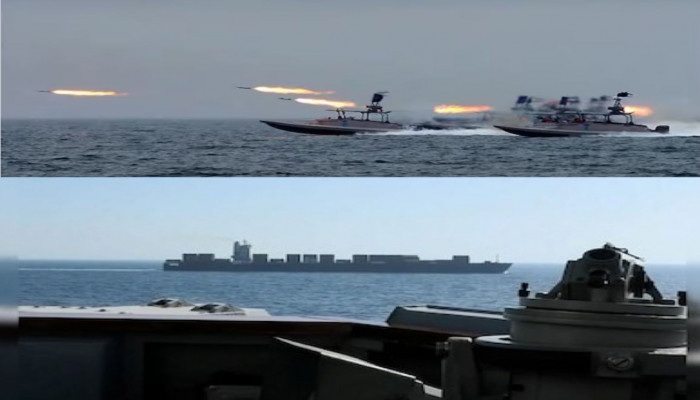
TEHRAN, (CAJ News) – TENSIONS in the Middle East continue to escalate as negotiations between the United States and Iran remain stalled over the future of the Strait of Hormuz, nuclear activities and regional security.
The Strait of Hormuz, situated between Iran and Oman, is regarded as one of the world’s most strategic maritime chokepoints, with nearly a fifth of global oil shipments passing through the narrow waterway.
Continued instability in the region has raised fears of severe disruptions to global energy markets and international trade.
Iran recently submitted a new proposal to Washington through mediators in Pakistan, demanding a comprehensive end to hostilities, the lifting of economic sanctions and the removal of naval restrictions surrounding Iranian ports.
Tehran is also reportedly seeking a new mechanism governing the Strait of Hormuz and greater influence over maritime security in the area.
Iranian officials are further insisting on the release of frozen assets and guarantees that future military strikes against the country will not occur.
Tehran has also remained reluctant to discuss major restrictions on its missile and nuclear programmes during the current phase of negotiations.
The United States, on the other hand, continues to demand the immediate reopening and protection of shipping routes through the Strait of Hormuz, unrestricted international navigation and renewed limits on Iran’s nuclear activities.
Washington is also seeking assurances regarding uranium enrichment and ballistic missile development.
Despite several rounds of negotiations, both sides remain divided over key issues.
One of the biggest disagreements concerns who should control or oversee security arrangements in the Strait of Hormuz.
Washington has rejected any proposal that could allow Iran to impose fees or exercise broader authority over international shipping routes.
The prolonged talks also reflect deep mistrust between Tehran and Washington following years of sanctions, military confrontations and failed diplomatic agreements.
Analysts say both governments face internal political pressure, making compromise increasingly difficult.
If negotiations continue to drag on, the implications for the global economy could become severe.
Prolonged instability in the Strait of Hormuz may lead to higher oil prices, increased shipping insurance costs and disruptions to global supply chains.
Gulf economies heavily dependent on energy exports could also suffer significant financial losses.
International observers warn that failure to reach a settlement could increase the risk of direct military confrontation, threatening wider regional stability and global economic recovery.
– CAJ News
Previous Post
Next Post


Advertisement