
Now Reading: Iran sets conditions to ease Gulf tensions
-
01
Iran sets conditions to ease Gulf tensions

Iran sets conditions to ease Gulf tensions
by AZADEH AKBAR
Special contributor
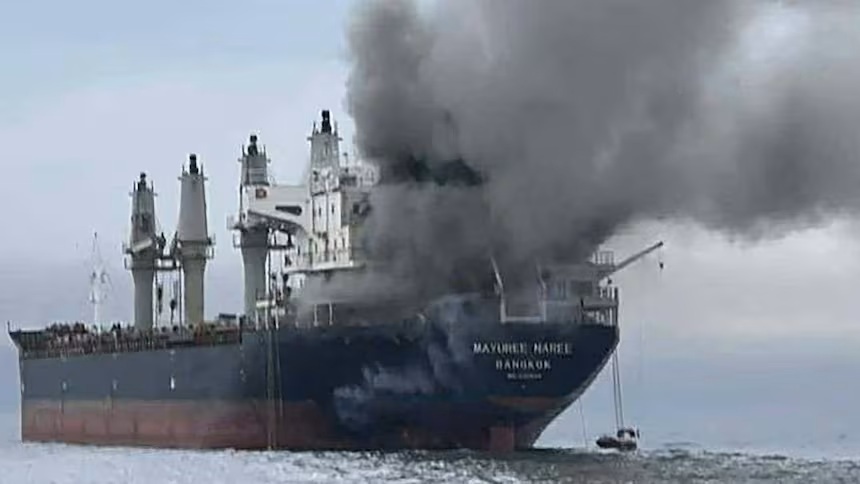
TEHRAN, (CAJ News) – REPORTS emerging from diplomatic and regional media sources indicate that the Islamic Republic of Iran has outlined a set of conditions to the United States, aimed at de-escalating tensions in the Middle East and ensuring the continued free flow of maritime traffic through the Strait of Hormuz, one of the world’s most strategically important energy routes.
The discussions are said to have been conveyed indirectly to the administration of US President Donald Trump through mediating channels.
The Strait of Hormuz remains a critical passage for global oil shipments, and any disruption in the area has historically triggered international concern over energy security.
According to Iranian officials cited in regional reporting, Tehran’s position centres on what it describes as “sovereign and defensive guarantees”, insisting that any agreement must respect Iran’s territorial integrity and security interests.
A spokesperson for Iran’s Ministry of Foreign Affairs is reported to have stated that Iran’s conditions are not intended to threaten any nation, but rather to ensure stability and prevent further escalation in the region.
Iran is understood to have linked the easing of tensions and the potential reopening of broader maritime assurances in the Strait of Hormuz to a series of reciprocal steps from Washington, including the lifting of certain economic sanctions, the unfreezing of Iranian assets abroad, and the cessation of what Tehran describes as “hostile military posturing” in the Gulf region.
In response, US officials have reportedly reiterated long-standing demands, including restrictions on Iran’s nuclear programme, limitations on ballistic missile development, and assurances regarding support for regional allied groups.
President Trump, speaking in earlier remarks on Middle East security, has repeatedly emphasised that any agreement with Iran must ensure “complete compliance” and “verifiable commitments”, though no direct statement on the latest reported demands has been officially confirmed.
The broader geopolitical context remains highly complex.
While Western governments have long expressed concerns over Iran’s nuclear ambitions, many states in the Global South have increasingly called for a more balanced diplomatic approach, arguing that regional stability requires addressing security concerns on all sides rather than focusing on one actor alone.
Observers also continue to point to the longstanding and unresolved nature of Middle East conflicts, where competing narratives over security, deterrence and sovereignty remain deeply entrenched.
As diplomatic messaging continues through indirect channels, the coming weeks are expected to determine whether renewed negotiations can reduce tensions in one of the world’s most sensitive geopolitical flashpoints or whether further escalation will follow.
– CAJ News
Previous Post
Next Post

Advertisement