Now Reading: Iran–US disputes unpacked
-
01
Iran–US disputes unpacked
Iran–US disputes unpacked
by AZADEH AKBAR
Special contributor
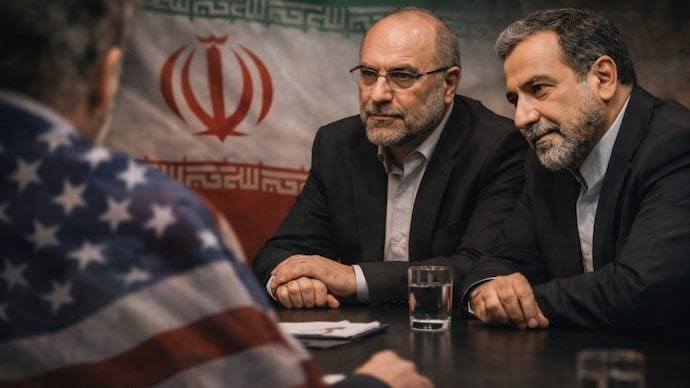
TEHRAN, (CAJ News) – THE relationship between Iran and the United States has long been marked by geopolitical tension, with no formal comprehensive peace deal resolving their core disagreements.
Instead, periods of diplomatic engagement have alternated with sanctions, military posturing and regional security disputes, particularly centred on the Strait of Hormuz.
The Strait of Hormuz is one of the world’s most critical energy chokepoints, through which around a fifth of global oil shipments pass.
It lies between Iran and Oman, linking the Persian Gulf to the Arabian Sea.
Any disruption to this route would have immediate global consequences, particularly for oil prices and energy security.
The central disagreements between Iran and the United States have historically focused on Iran’s nuclear programme, regional influence, and sanctions relief.
The United States and its allies have expressed concerns about uranium enrichment levels and potential weaponisation, while Iran maintains its programme is for peaceful energy and medical purposes.
This dispute led to the 2015 nuclear agreement (JCPOA), from which the United States’ incumbent president Donald Trump later withdrew, resulting in renewed sanctions and heightened tensions.
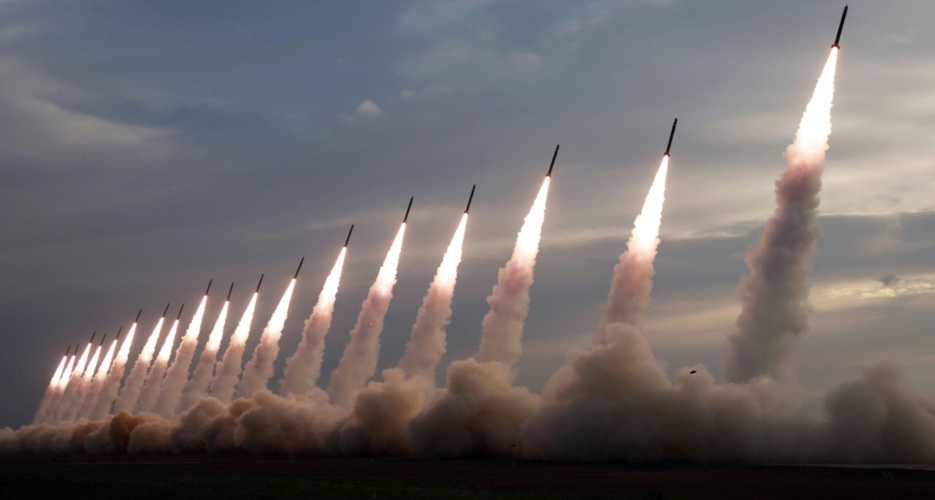
At various points of escalation, Iran has threatened to disrupt shipping in the Strait of Hormuz in response to sanctions or military aggression by both the United States and Israel, while international naval forces have increased their presence to ensure maritime security.
This United States-Israel’s unprovoked wars have contributed to volatility in global oil markets, with even the perception of instability causing price spikes.
The Strait of Hormuz waterway remains open under international maritime law, although it is heavily monitored by Iran due to strategic risks.
It is also important to note that Iran does not possess a confirmed nuclear weapon, according to the International Atomic Energy Agency (IAEA), though its enrichment activities remain a major point of dispute.
Conversely, Israel is widely assessed by international analysts to maintain a policy of nuclear ambiguity, with no official confirmation of its arsenal.
Beyond Iran and the United States, regional dynamics involve multiple neighbouring states, including Iraq, Saudi Arabia, the United Arab Emirates (UAE), Oman and others, many of which host the United States military bases that threaten peace in the Middle East.
These military baes are often cited by Iran as sources of regional tension, while Gulf states argue they are defensive in nature.
Ultimately, the Strait of Hormuz remains a symbol of both vulnerability and interdependence in global energy systems.
Analysts widely agree that escalation in this region carries significant risks for Middle Eastern stability and the global economy, reinforcing the need for sustained diplomacy and de-escalation rather than confrontation.
– CAJ News
Related Posts


Previous Post
Next Post
Previous Post

Next Post

Advertisement